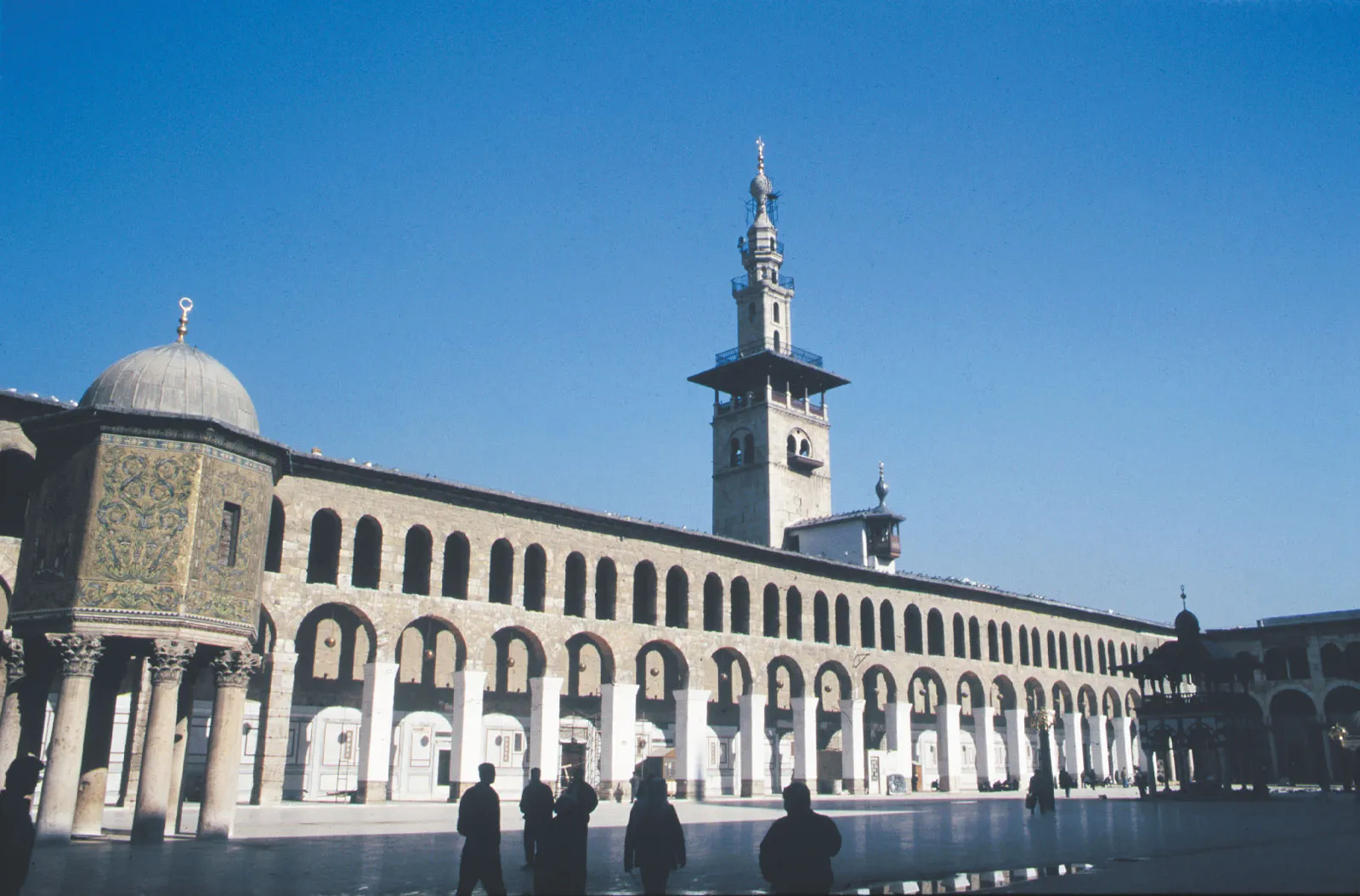
During the French rule in Syria from 1920 to 1946, significant infrastructure development took place, leaving behind a legacy of architectural heritage that still stands today. The French Mandate period brought about a blend of European design influences with traditional Syrian architecture, resulting in a unique architectural style that can be seen throughout the country.
Under French rule in Syria during the early 20th century, significant strides were made in infrastructure development, particularly in the realm of water systems. The French implemented various projects that aimed to improve water access and distribution throughout the region, leaving a lasting impact on Syria's infrastructure.
During the period of French rule in Syria, significant infrastructure development took place that left a lasting impact on the country's public works system. The French mandate in Syria, which lasted from 1920 to 1946, aimed to modernize and develop the region's infrastructure to better serve its administrative and economic interests. As a result, various public works projects were initiated and completed during this period, transforming Syria's urban and rural landscapes.
During the French mandate in Syria, which lasted from 1920 to 1946, there was a significant focus on infrastructure development, particularly in the construction of railways. The French authorities viewed the development of railways as a way to enhance economic growth, facilitate the movement of goods and people, and assert their influence over the region.
During the period of French colonial rule in Syria, significant infrastructure development took place, with a particular focus on building roads and bridges to connect different parts of the country.