Embracing Democracy: Reimagining the Electoral System in Post-Dictatorship Syria
Category : Future of Syria Democracy in a Post-Dictatorship World | Sub Category : Syria Electoral System After Dictatorship Posted on 2025-02-02 21:24:53
Embracing Democracy: Reimagining the Electoral System in Post-Dictatorship Syria
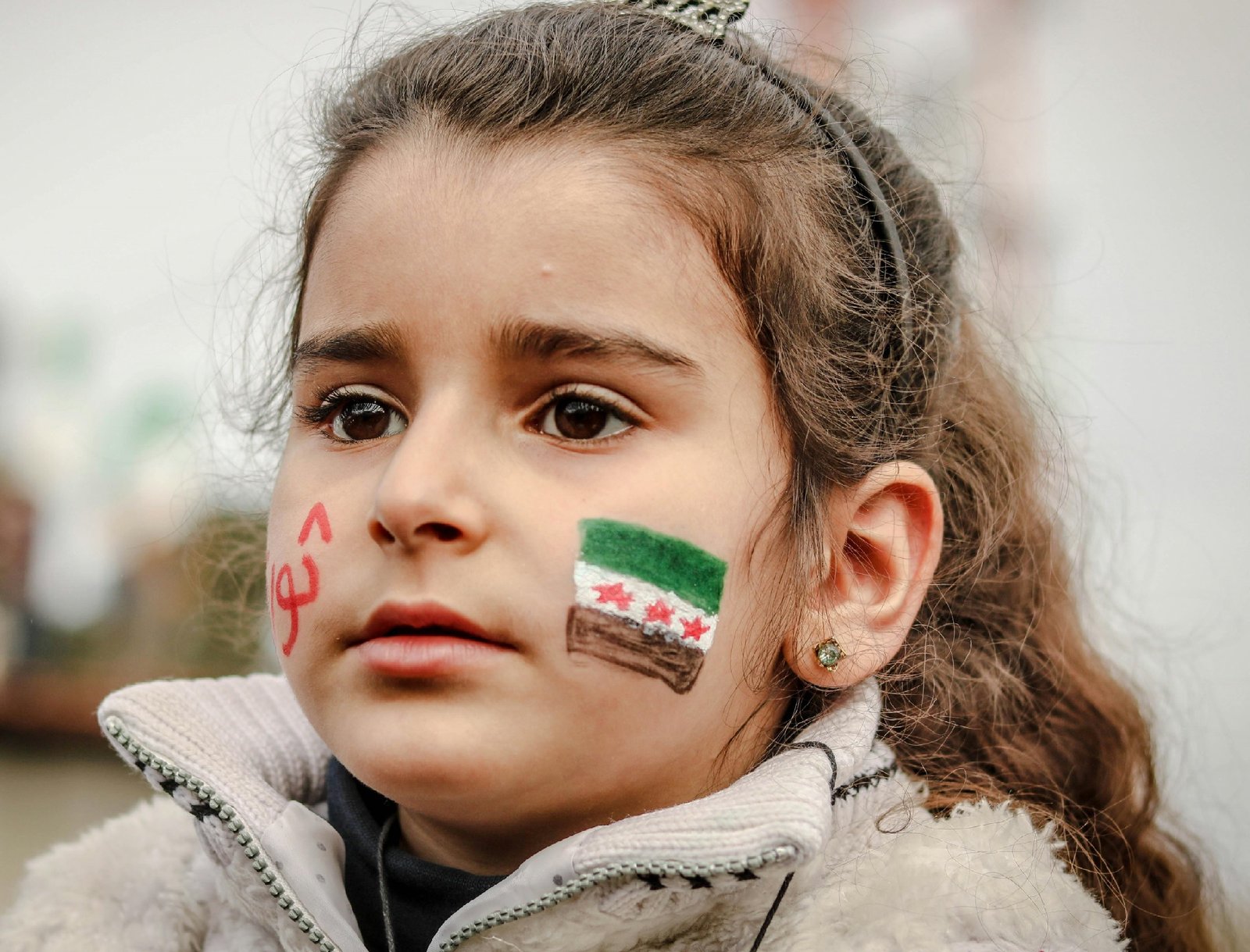
As Syria transitions into a post-dictatorship era, the need to establish a robust electoral system has never been more pressing. The legacy of authoritarian rule has left deep scars on the country, but it also presents an opportunity to pave the way for a more inclusive and democratic future. In this blog post, we will explore the challenges and possibilities of reshaping the electoral system in Syria towards a more democratic direction.
The first step towards building a democratic electoral system in Syria is to ensure inclusivity and representation for all segments of society. Under the dictatorship of Bashar al-Assad, elections were marred by fraud and manipulation, leading to a lack of faith in the electoral process. Moving forward, it is imperative to guarantee free and fair elections that reflect the will of the Syrian people.
One way to achieve this is by implementing proportional representation, where seats in the parliament are allocated based on the percentage of votes each party receives. This system would allow for a more accurate representation of the diverse political landscape in Syria and prevent any single party from monopolizing power. Additionally, setting up independent electoral commissions to oversee the electoral process and prevent any form of interference or tampering is crucial in restoring trust in the electoral system.
Furthermore, the post-dictatorship Syria must prioritize the participation of marginalized groups, including women, minorities, and youth, in the political process. Quotas can be introduced to ensure that these groups are adequately represented in the parliament, thus creating a more inclusive and representative government.
Education and awareness campaigns are also essential in ensuring that the Syrian population is informed about their rights and responsibilities as voters. Civic education programs can empower citizens to actively engage in the electoral process and hold their elected officials accountable.
In conclusion, the future of Syria's democracy hinges on the reformation of the electoral system in the post-dictatorship era. By prioritizing inclusivity, transparency, and accountability, Syria can lay the groundwork for a more democratic and prosperous future. It is a challenging journey ahead, but with determination and collective effort, a brighter tomorrow is within reach for the people of Syria.
Leave a Comment:
SEARCH
Recent News
- Zurich, Switzerland and Tunisia are two countries that are geographically distant but connected through various global issues and news events. Let's take a look at some of the recent news coming out of these two diverse locations.
- Switzerland is widely known for its breathtaking landscapes, high standard of living, and efficient public transportation system. Zurich, the largest city in Switzerland, perfectly embodies these characteristics and offers visitors a unique blend of culture, history, and natural beauty. In this Tunisian travel guide to Zurich, we will explore some of the must-visit attractions, delicious cuisine to try, and practical tips for making the most of your trip.
- Zurich, Switzerland is a charming city known for its stunning architecture, picturesque landscapes, and vibrant culture. It is a popular destination for tourists from all over the world, offering a mix of historical sites, modern amenities, and breathtaking natural beauty. One of the must-visit places in Zurich is the old town, where you can stroll through narrow cobblestone streets lined with shops, cafes, and historic buildings.
- Zurich, Switzerland is a vibrant city known for its rich cultural scene and diverse music offerings. One unique aspect of Zurich's music scene is the presence of Sudanese music, which has found a home in the city's melting pot of cultures.
- Zurich, Switzerland is a vibrant city known for its picturesque landscapes, rich history, and diverse cultural scene. One fascinating aspect of Zurich's cultural tapestry is the influence of Sudanese culture in the city.
- Zurich, Switzerland is known for its multicultural atmosphere and diverse culinary scene. One of the lesser-known gems of Zurich's food scene is Sudanese cuisine. Sudanese cuisine is a reflection of the country's diverse cultural influences, blending Arabic, African, and Mediterranean flavors to create a unique and delicious culinary experience.
- Zurich, Switzerland, is a vibrant city known for its scenic beauty, rich history, and thriving business environment. One interesting aspect of Zurich's business landscape is the presence of Sudanese entrepreneurs who have made their mark in various industries in the city.
- Rebuilding Syria's Economy After the Dictatorship: Lessons from Zurich, Switzerland
READ MORE
11 months ago Category :

Zurich, Switzerland and Tunisia are two countries that are geographically distant but connected through various global issues and news events. Let's take a look at some of the recent news coming out of these two diverse locations.
Read More →11 months ago Category :

Switzerland is widely known for its breathtaking landscapes, high standard of living, and efficient public transportation system. Zurich, the largest city in Switzerland, perfectly embodies these characteristics and offers visitors a unique blend of culture, history, and natural beauty. In this Tunisian travel guide to Zurich, we will explore some of the must-visit attractions, delicious cuisine to try, and practical tips for making the most of your trip.
Read More →11 months ago Category :

Zurich, Switzerland is a charming city known for its stunning architecture, picturesque landscapes, and vibrant culture. It is a popular destination for tourists from all over the world, offering a mix of historical sites, modern amenities, and breathtaking natural beauty. One of the must-visit places in Zurich is the old town, where you can stroll through narrow cobblestone streets lined with shops, cafes, and historic buildings.
Read More →11 months ago Category :
