Challenges to Israel-Syria Cooperation: Navigating the Path to Peace and Future Relations
Category : Israel-Syria Peace and Future Relations | Sub Category : Syria Role in Regional Economic Cooperation After War Posted on 2025-02-02 21:24:53
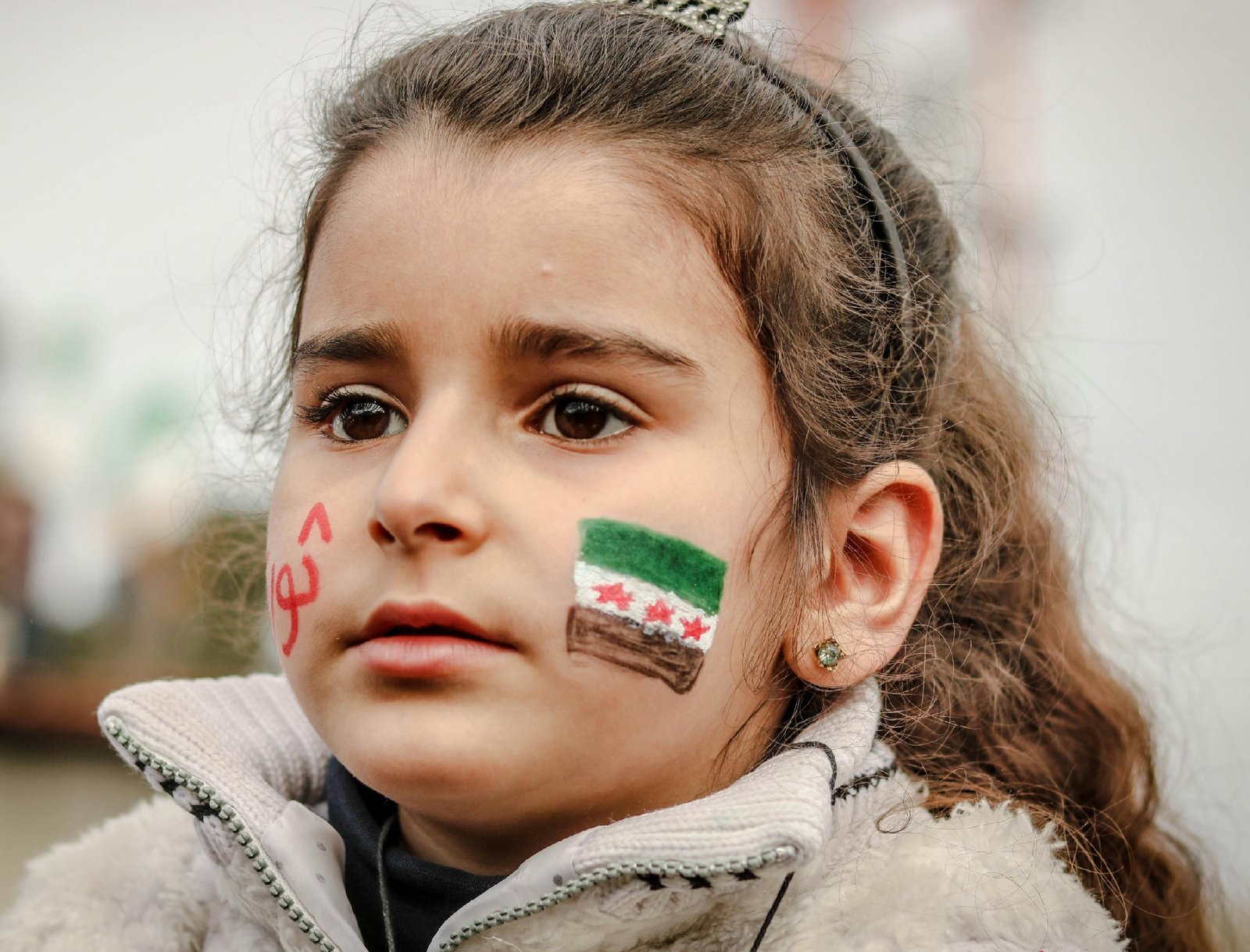
Challenges to Israel-Syria Cooperation: Navigating the Path to Peace and Future Relations
The prospect of peace and improved relations between Israel and Syria has long been a topic of interest and speculation in the Middle East. While there have been occasional glimmers of hope for reconciliation between these two neighboring nations, numerous challenges stand in the way of meaningful cooperation. In this blog post, we will explore some potential obstacles that could hinder progress towards peace and closer ties between Israel and Syria.
One of the primary challenges to Israel-Syria cooperation is the deep-rooted history of conflict and animosity between the two countries. Decades of hostilities, including multiple armed conflicts and ongoing territorial disputes, have created a high level of mistrust and enmity on both sides. Rebuilding trust and fostering a sense of mutual understanding will be crucial steps towards establishing a more positive and constructive relationship between Israel and Syria.
Another significant challenge is the involvement of external actors and regional powers in the Israel-Syria dynamic. Both countries are entangled in a complex web of alliances and rivalries with other regional players, such as Iran, Russia, and various non-state actors. The influence of these external actors can both facilitate and undermine efforts towards peace and cooperation between Israel and Syria, adding an additional layer of complexity to the situation.
The issue of security is also a major concern for both Israel and Syria. Ensuring the safety and stability of their respective populations is a top priority for both countries, and any cooperation or peace agreement will need to address these security concerns in a comprehensive and satisfactory manner. Building mechanisms for security cooperation and confidence-building measures will be essential for maintaining peace and stability in the region.
The question of the Golan Heights, a strategic territory that has been a point of contention between Israel and Syria for decades, remains a significant obstacle to closer cooperation. The status of the Golan Heights is a highly sensitive issue for both countries, with Israel annexing the territory in 1981, a move that has not been recognized by the international community. Resolving this territorial dispute in a manner that is acceptable to both parties will be essential for advancing towards a lasting peace settlement.
In conclusion, while the road to improved relations and cooperation between Israel and Syria is fraught with challenges, it is not insurmountable. By addressing the historical grievances, navigating the complexities of external influences, prioritizing security concerns, and finding a mutually acceptable solution to territorial disputes, Israel and Syria can pave the way towards a more peaceful and prosperous future. It will require bold leadership, creativity, and a genuine commitment to dialogue and reconciliation from both sides. Only through sustained efforts and a willingness to overcome these challenges can Israel and Syria hope to achieve a lasting peace and build a more secure and stable future for their people.
Leave a Comment:
SEARCH
Recent News
- Zurich, Switzerland and Tunisia are two countries that are geographically distant but connected through various global issues and news events. Let's take a look at some of the recent news coming out of these two diverse locations.
- Switzerland is widely known for its breathtaking landscapes, high standard of living, and efficient public transportation system. Zurich, the largest city in Switzerland, perfectly embodies these characteristics and offers visitors a unique blend of culture, history, and natural beauty. In this Tunisian travel guide to Zurich, we will explore some of the must-visit attractions, delicious cuisine to try, and practical tips for making the most of your trip.
- Zurich, Switzerland is a charming city known for its stunning architecture, picturesque landscapes, and vibrant culture. It is a popular destination for tourists from all over the world, offering a mix of historical sites, modern amenities, and breathtaking natural beauty. One of the must-visit places in Zurich is the old town, where you can stroll through narrow cobblestone streets lined with shops, cafes, and historic buildings.
- Zurich, Switzerland is a vibrant city known for its rich cultural scene and diverse music offerings. One unique aspect of Zurich's music scene is the presence of Sudanese music, which has found a home in the city's melting pot of cultures.
- Zurich, Switzerland is a vibrant city known for its picturesque landscapes, rich history, and diverse cultural scene. One fascinating aspect of Zurich's cultural tapestry is the influence of Sudanese culture in the city.
- Zurich, Switzerland is known for its multicultural atmosphere and diverse culinary scene. One of the lesser-known gems of Zurich's food scene is Sudanese cuisine. Sudanese cuisine is a reflection of the country's diverse cultural influences, blending Arabic, African, and Mediterranean flavors to create a unique and delicious culinary experience.
- Zurich, Switzerland, is a vibrant city known for its scenic beauty, rich history, and thriving business environment. One interesting aspect of Zurich's business landscape is the presence of Sudanese entrepreneurs who have made their mark in various industries in the city.
- Rebuilding Syria's Economy After the Dictatorship: Lessons from Zurich, Switzerland
READ MORE
11 months ago Category :

Zurich, Switzerland and Tunisia are two countries that are geographically distant but connected through various global issues and news events. Let's take a look at some of the recent news coming out of these two diverse locations.
Read More →11 months ago Category :

Switzerland is widely known for its breathtaking landscapes, high standard of living, and efficient public transportation system. Zurich, the largest city in Switzerland, perfectly embodies these characteristics and offers visitors a unique blend of culture, history, and natural beauty. In this Tunisian travel guide to Zurich, we will explore some of the must-visit attractions, delicious cuisine to try, and practical tips for making the most of your trip.
Read More →11 months ago Category :

Zurich, Switzerland is a charming city known for its stunning architecture, picturesque landscapes, and vibrant culture. It is a popular destination for tourists from all over the world, offering a mix of historical sites, modern amenities, and breathtaking natural beauty. One of the must-visit places in Zurich is the old town, where you can stroll through narrow cobblestone streets lined with shops, cafes, and historic buildings.
Read More →11 months ago Category :
