Challenges Facing Education in Syria Post-Revolution
Category : Post-Revolution Education System in Syria | Sub Category : Challenges in Syrian Education Post-Revolution Posted on 2025-02-02 21:24:53
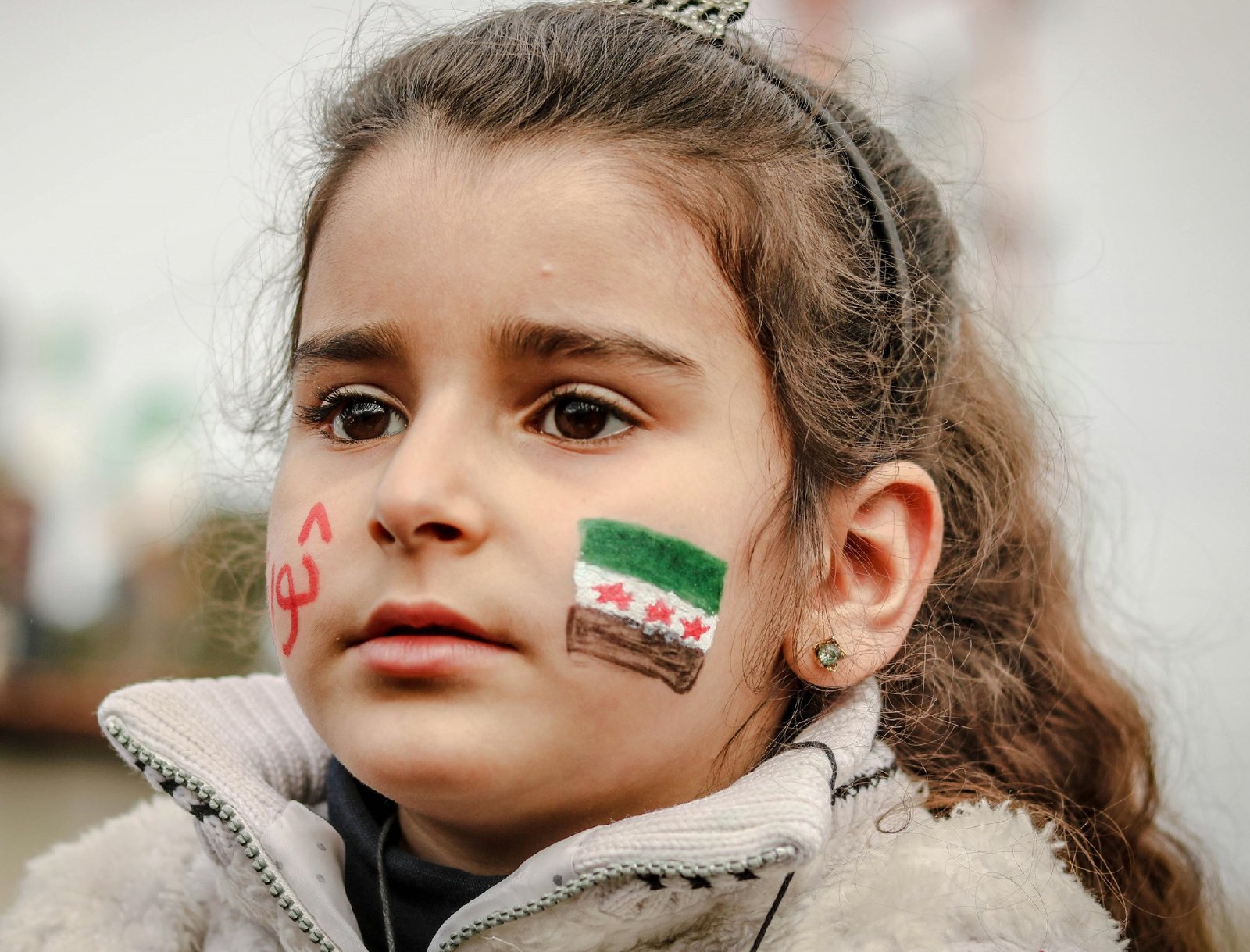
Challenges Facing Education in Syria Post-Revolution
Since the outbreak of the Syrian revolution in 2011, the education system in the country has faced numerous challenges and setbacks. The ongoing conflict has had a devastating impact on schools, students, and educators, leaving the future of education in Syria uncertain. In this blog post, we will discuss some of the key challenges facing the education system in Syria post-revolution.
1. Destruction of Schools: One of the most significant challenges facing education in Syria is the widespread destruction of school infrastructure. Many schools have been bombed, looted, or turned into shelters for displaced families. This lack of safe learning environments has disrupted the education of millions of Syrian children.
2. Displacement of Students: The conflict in Syria has resulted in the displacement of millions of people, including children. Many students have been forced to flee their homes, leaving behind their schools and disrupting their education. The lack of access to schools in host communities has further exacerbated the problem, with many children unable to continue their studies.
3. Shortage of Qualified Teachers: The ongoing conflict has caused a significant brain drain in Syria, with many qualified teachers leaving the country in search of safety and better opportunities. This has created a shortage of experienced educators, making it challenging to provide quality education to students.
4. Trauma and Mental Health Issues: The protracted conflict in Syria has left a lasting impact on the mental health of students and educators. Many children have experienced trauma due to the violence and loss they have witnessed, leading to mental health issues that can affect their learning and well-being.
5. Lack of Resources and Funding: The education system in Syria is facing a severe lack of resources and funding. With the country's economy in shambles and widespread poverty, schools are struggling to provide basic necessities such as textbooks, classroom materials, and technology.
6. Inequality and Access to Education: The conflict has widened the gap in access to education in Syria, with marginalized groups such as refugees, internally displaced persons, and children with disabilities facing barriers to accessing quality education. The lack of inclusive policies and infrastructure has further marginalized these vulnerable populations.
In conclusion, the education system in Syria post-revolution is facing numerous challenges that are hindering the country's ability to provide quality education to its children. Addressing these challenges will require a concerted effort from the international community, local authorities, and humanitarian organizations to rebuild schools, train teachers, address mental health issues, and ensure equal access to education for all Syrian children. Only through collective action can we hope to overcome these challenges and lay the groundwork for a brighter future for Syria's youth.
Leave a Comment:
SEARCH
Recent News
- Zurich, Switzerland and Tunisia are two countries that are geographically distant but connected through various global issues and news events. Let's take a look at some of the recent news coming out of these two diverse locations.
- Switzerland is widely known for its breathtaking landscapes, high standard of living, and efficient public transportation system. Zurich, the largest city in Switzerland, perfectly embodies these characteristics and offers visitors a unique blend of culture, history, and natural beauty. In this Tunisian travel guide to Zurich, we will explore some of the must-visit attractions, delicious cuisine to try, and practical tips for making the most of your trip.
- Zurich, Switzerland is a charming city known for its stunning architecture, picturesque landscapes, and vibrant culture. It is a popular destination for tourists from all over the world, offering a mix of historical sites, modern amenities, and breathtaking natural beauty. One of the must-visit places in Zurich is the old town, where you can stroll through narrow cobblestone streets lined with shops, cafes, and historic buildings.
- Zurich, Switzerland is a vibrant city known for its rich cultural scene and diverse music offerings. One unique aspect of Zurich's music scene is the presence of Sudanese music, which has found a home in the city's melting pot of cultures.
- Zurich, Switzerland is a vibrant city known for its picturesque landscapes, rich history, and diverse cultural scene. One fascinating aspect of Zurich's cultural tapestry is the influence of Sudanese culture in the city.
- Zurich, Switzerland is known for its multicultural atmosphere and diverse culinary scene. One of the lesser-known gems of Zurich's food scene is Sudanese cuisine. Sudanese cuisine is a reflection of the country's diverse cultural influences, blending Arabic, African, and Mediterranean flavors to create a unique and delicious culinary experience.
- Zurich, Switzerland, is a vibrant city known for its scenic beauty, rich history, and thriving business environment. One interesting aspect of Zurich's business landscape is the presence of Sudanese entrepreneurs who have made their mark in various industries in the city.
- Rebuilding Syria's Economy After the Dictatorship: Lessons from Zurich, Switzerland
READ MORE
11 months ago Category :

Zurich, Switzerland and Tunisia are two countries that are geographically distant but connected through various global issues and news events. Let's take a look at some of the recent news coming out of these two diverse locations.
Read More →11 months ago Category :

Switzerland is widely known for its breathtaking landscapes, high standard of living, and efficient public transportation system. Zurich, the largest city in Switzerland, perfectly embodies these characteristics and offers visitors a unique blend of culture, history, and natural beauty. In this Tunisian travel guide to Zurich, we will explore some of the must-visit attractions, delicious cuisine to try, and practical tips for making the most of your trip.
Read More →11 months ago Category :

Zurich, Switzerland is a charming city known for its stunning architecture, picturesque landscapes, and vibrant culture. It is a popular destination for tourists from all over the world, offering a mix of historical sites, modern amenities, and breathtaking natural beauty. One of the must-visit places in Zurich is the old town, where you can stroll through narrow cobblestone streets lined with shops, cafes, and historic buildings.
Read More →11 months ago Category :
