The education system in Syria has faced significant challenges in the aftermath of the revolution that began in 2011. The higher education sector in particular has been severely impacted, with universities and colleges facing widespread destruction, faculty displacement, resource shortages, and a loss of academic freedom. As Syria looks towards rebuilding its higher education system, there are key areas that need to be addressed to ensure a successful and sustainable recovery.
Category : Post-Revolution Education System in Syria | Sub Category : Rebuilding Syria Higher Education System Posted on 2025-02-02 21:24:53
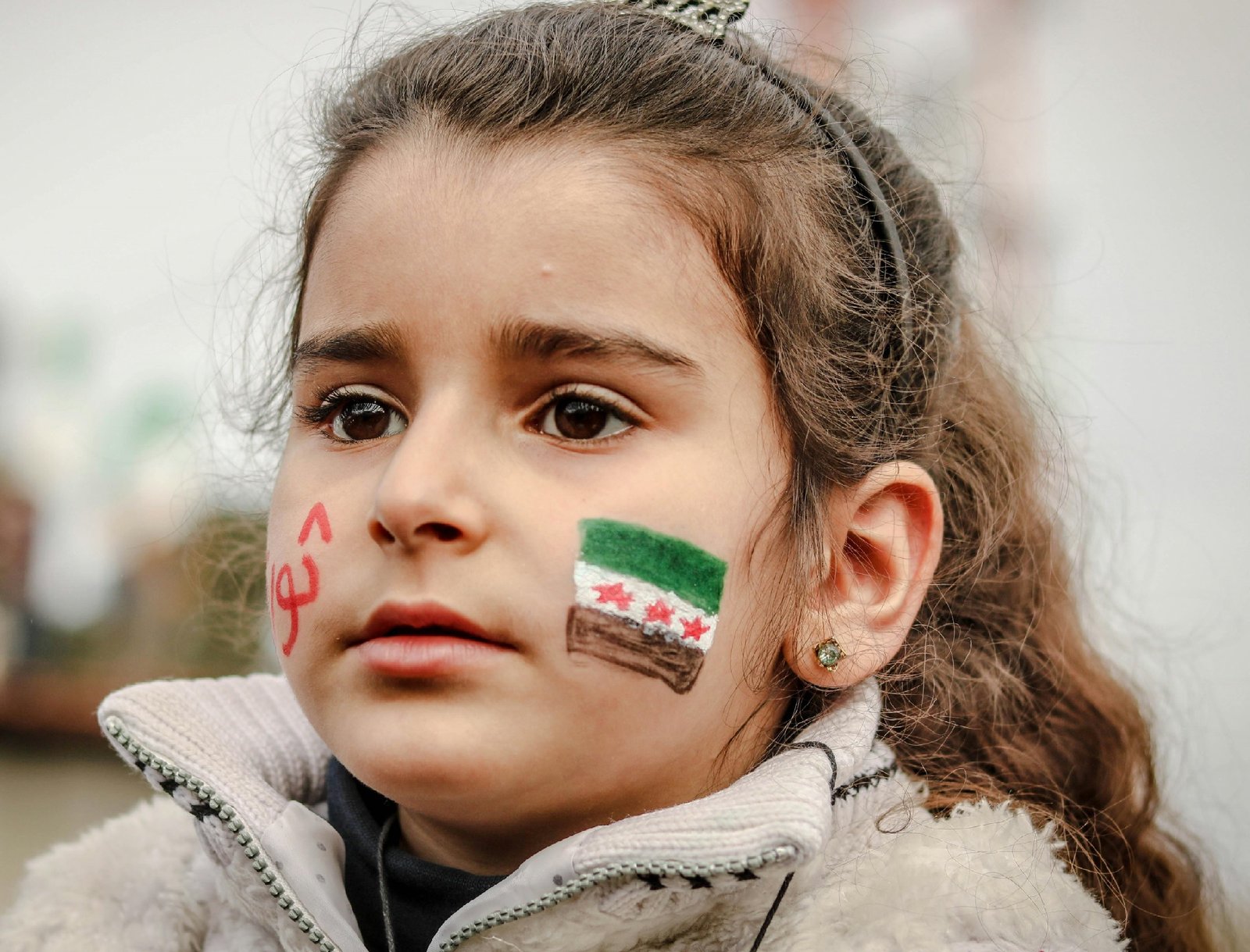
The education system in Syria has faced significant challenges in the aftermath of the revolution that began in 2011. The higher education sector in particular has been severely impacted, with universities and colleges facing widespread destruction, faculty displacement, resource shortages, and a loss of academic freedom. As Syria looks towards rebuilding its higher education system, there are key areas that need to be addressed to ensure a successful and sustainable recovery.
One of the primary challenges facing the post-revolution education system in Syria is the physical infrastructure of universities and colleges. Many educational institutions have been damaged or destroyed during the conflict, leaving students and faculty without proper learning environments. Rebuilding and rehabilitating these facilities is crucial to providing students with access to quality education.
In addition to physical infrastructure, there is also a critical need to address the shortage of qualified faculty in Syrian universities. Many academics have fled the country due to the conflict, leaving a significant gap in expertise and leadership within the higher education sector. Efforts must be made to attract skilled educators back to Syria and provide support for the professional development of faculty members who have remained in the country.
Another key area that requires attention is the curriculum and academic programs offered by Syrian universities. The post-revolution education system should focus on modernizing and adapting curricula to meet the needs of a changing society and economy. This includes incorporating more practical, hands-on learning experiences, promoting critical thinking skills, and fostering innovation and entrepreneurship among students.
Moreover, efforts should be made to enhance research and innovation within Syrian universities. Research plays a crucial role in driving economic development and societal progress, and investing in research infrastructure, funding opportunities, and collaboration initiatives can help universities become hubs of knowledge creation and dissemination.
Furthermore, steps should be taken to ensure inclusivity and diversity within the higher education system in Syria. By providing equal opportunities for all students, regardless of their background or circumstances, universities can contribute to building a more cohesive and equitable society.
In conclusion, rebuilding the higher education system in Syria post-revolution is a complex and multifaceted task that requires collaboration and commitment from various stakeholders. By addressing issues related to infrastructure, faculty capacity, curriculum development, research, and inclusivity, Syrian universities can play a pivotal role in shaping the country's future and fostering a generation of skilled and empowered individuals ready to contribute to the rebuilding and development of their nation.
Leave a Comment:
SEARCH
Recent News
- Zurich, Switzerland and Tunisia are two countries that are geographically distant but connected through various global issues and news events. Let's take a look at some of the recent news coming out of these two diverse locations.
- Switzerland is widely known for its breathtaking landscapes, high standard of living, and efficient public transportation system. Zurich, the largest city in Switzerland, perfectly embodies these characteristics and offers visitors a unique blend of culture, history, and natural beauty. In this Tunisian travel guide to Zurich, we will explore some of the must-visit attractions, delicious cuisine to try, and practical tips for making the most of your trip.
- Zurich, Switzerland is a charming city known for its stunning architecture, picturesque landscapes, and vibrant culture. It is a popular destination for tourists from all over the world, offering a mix of historical sites, modern amenities, and breathtaking natural beauty. One of the must-visit places in Zurich is the old town, where you can stroll through narrow cobblestone streets lined with shops, cafes, and historic buildings.
- Zurich, Switzerland is a vibrant city known for its rich cultural scene and diverse music offerings. One unique aspect of Zurich's music scene is the presence of Sudanese music, which has found a home in the city's melting pot of cultures.
- Zurich, Switzerland is a vibrant city known for its picturesque landscapes, rich history, and diverse cultural scene. One fascinating aspect of Zurich's cultural tapestry is the influence of Sudanese culture in the city.
- Zurich, Switzerland is known for its multicultural atmosphere and diverse culinary scene. One of the lesser-known gems of Zurich's food scene is Sudanese cuisine. Sudanese cuisine is a reflection of the country's diverse cultural influences, blending Arabic, African, and Mediterranean flavors to create a unique and delicious culinary experience.
- Zurich, Switzerland, is a vibrant city known for its scenic beauty, rich history, and thriving business environment. One interesting aspect of Zurich's business landscape is the presence of Sudanese entrepreneurs who have made their mark in various industries in the city.
- Rebuilding Syria's Economy After the Dictatorship: Lessons from Zurich, Switzerland
READ MORE
11 months ago Category :

Zurich, Switzerland and Tunisia are two countries that are geographically distant but connected through various global issues and news events. Let's take a look at some of the recent news coming out of these two diverse locations.
Read More →11 months ago Category :

Switzerland is widely known for its breathtaking landscapes, high standard of living, and efficient public transportation system. Zurich, the largest city in Switzerland, perfectly embodies these characteristics and offers visitors a unique blend of culture, history, and natural beauty. In this Tunisian travel guide to Zurich, we will explore some of the must-visit attractions, delicious cuisine to try, and practical tips for making the most of your trip.
Read More →11 months ago Category :

Zurich, Switzerland is a charming city known for its stunning architecture, picturesque landscapes, and vibrant culture. It is a popular destination for tourists from all over the world, offering a mix of historical sites, modern amenities, and breathtaking natural beauty. One of the must-visit places in Zurich is the old town, where you can stroll through narrow cobblestone streets lined with shops, cafes, and historic buildings.
Read More →11 months ago Category :
