The Ongoing Struggle for Human Rights in Post-Revolution Syria
Category : Post-Revolution Human Rights in Syria | Sub Category : Post-Revolution Human Rights Challenges in Syria Posted on 2025-02-02 21:24:53
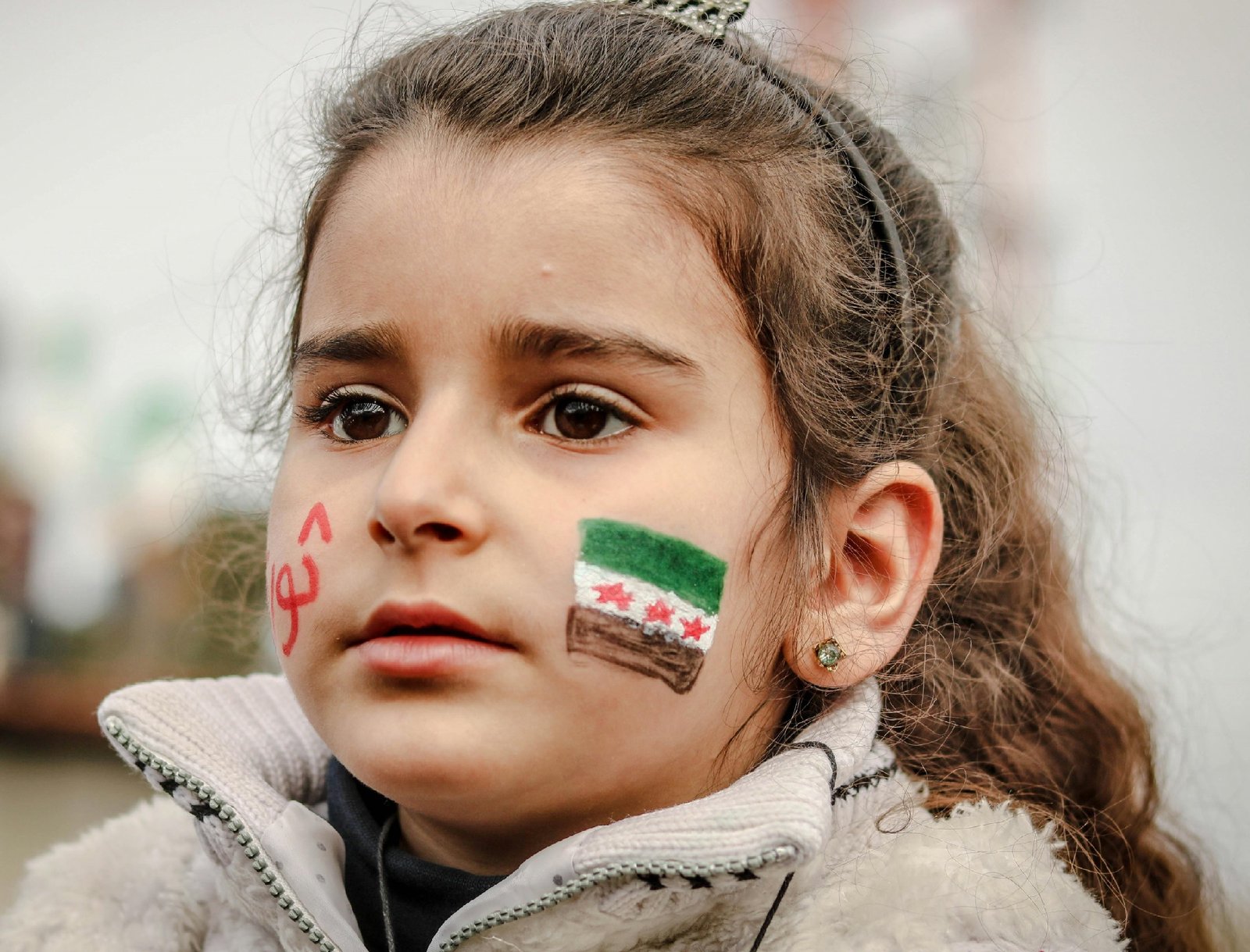
The Ongoing Struggle for Human Rights in Post-Revolution Syria
Since the outbreak of the Syrian revolution in 2011, the country has been embroiled in a complex and devastating conflict. Amidst the chaos and violence, the protection of human rights has taken a backseat, leaving civilians vulnerable to various forms of abuse and violations. As the dust begins to settle, the challenges surrounding human rights in post-revolution Syria remain significant and daunting.
One of the key obstacles to upholding human rights in Syria is the continued presence of armed groups and militias. These factions often operate outside the control of the state and are responsible for a range of human rights abuses, including arbitrary detention, torture, and extrajudicial killings. Despite efforts to demobilize and disarm these groups, many continue to wield power and influence, undermining the rule of law and perpetuating a culture of impunity.
The lack of accountability for human rights violations is another pressing issue in post-revolution Syria. The Syrian government, as well as various armed groups, have been implicated in widespread abuses, yet few perpetrators have been held to account. The absence of a credible justice system and the prevalence of corruption further hinder efforts to deliver justice and redress to victims of human rights violations.
Moreover, the humanitarian crisis in Syria has had a devastating impact on the population, exacerbating vulnerabilities and increasing the risk of human rights violations. Access to basic services such as healthcare, education, and food remains limited, particularly in conflict-affected areas. The displacement of millions of Syrians has also led to widespread poverty and deprivation, further undermining the realization of fundamental human rights.
In light of these challenges, the international community plays a crucial role in promoting and protecting human rights in post-revolution Syria. Diplomatic pressure, targeted sanctions, and support for accountability mechanisms are essential tools in holding perpetrators accountable and advocating for the rights of all Syrians. Additionally, humanitarian aid and development assistance are vital in addressing the root causes of human rights violations and supporting the recovery and resilience of affected communities.
Despite the immense challenges that remain, there is hope for progress in advancing human rights in post-revolution Syria. Civil society organizations, human rights defenders, and activists continue to work tirelessly to document abuses, raise awareness, and advocate for justice. Their resilience and dedication serve as a beacon of hope in a country that has been ravaged by war and suffering.
In conclusion, the road to realizing human rights in post-revolution Syria is long and arduous, but it is a journey worth undertaking. By addressing the root causes of violations, holding perpetrators accountable, and supporting the resilience of affected communities, we can help build a more just and inclusive society for all Syrians. The path ahead may be challenging, but with determination and solidarity, we can work towards a future where human rights are respected and protected for all.
Leave a Comment:
SEARCH
Recent News
- Zurich, Switzerland and Tunisia are two countries that are geographically distant but connected through various global issues and news events. Let's take a look at some of the recent news coming out of these two diverse locations.
- Switzerland is widely known for its breathtaking landscapes, high standard of living, and efficient public transportation system. Zurich, the largest city in Switzerland, perfectly embodies these characteristics and offers visitors a unique blend of culture, history, and natural beauty. In this Tunisian travel guide to Zurich, we will explore some of the must-visit attractions, delicious cuisine to try, and practical tips for making the most of your trip.
- Zurich, Switzerland is a charming city known for its stunning architecture, picturesque landscapes, and vibrant culture. It is a popular destination for tourists from all over the world, offering a mix of historical sites, modern amenities, and breathtaking natural beauty. One of the must-visit places in Zurich is the old town, where you can stroll through narrow cobblestone streets lined with shops, cafes, and historic buildings.
- Zurich, Switzerland is a vibrant city known for its rich cultural scene and diverse music offerings. One unique aspect of Zurich's music scene is the presence of Sudanese music, which has found a home in the city's melting pot of cultures.
- Zurich, Switzerland is a vibrant city known for its picturesque landscapes, rich history, and diverse cultural scene. One fascinating aspect of Zurich's cultural tapestry is the influence of Sudanese culture in the city.
- Zurich, Switzerland is known for its multicultural atmosphere and diverse culinary scene. One of the lesser-known gems of Zurich's food scene is Sudanese cuisine. Sudanese cuisine is a reflection of the country's diverse cultural influences, blending Arabic, African, and Mediterranean flavors to create a unique and delicious culinary experience.
- Zurich, Switzerland, is a vibrant city known for its scenic beauty, rich history, and thriving business environment. One interesting aspect of Zurich's business landscape is the presence of Sudanese entrepreneurs who have made their mark in various industries in the city.
- Rebuilding Syria's Economy After the Dictatorship: Lessons from Zurich, Switzerland
READ MORE
11 months ago Category :

Zurich, Switzerland and Tunisia are two countries that are geographically distant but connected through various global issues and news events. Let's take a look at some of the recent news coming out of these two diverse locations.
Read More →11 months ago Category :

Switzerland is widely known for its breathtaking landscapes, high standard of living, and efficient public transportation system. Zurich, the largest city in Switzerland, perfectly embodies these characteristics and offers visitors a unique blend of culture, history, and natural beauty. In this Tunisian travel guide to Zurich, we will explore some of the must-visit attractions, delicious cuisine to try, and practical tips for making the most of your trip.
Read More →11 months ago Category :

Zurich, Switzerland is a charming city known for its stunning architecture, picturesque landscapes, and vibrant culture. It is a popular destination for tourists from all over the world, offering a mix of historical sites, modern amenities, and breathtaking natural beauty. One of the must-visit places in Zurich is the old town, where you can stroll through narrow cobblestone streets lined with shops, cafes, and historic buildings.
Read More →11 months ago Category :
