In Syria, the brutal conflict that has been ongoing for over a decade has raised important questions about post-revolution justice and accountability, particularly concerning the need to address the crimes committed by the Syrian regime.
Category : Post-Revolution Justice and Accountability in Syria | Sub Category : Accountability for Syrian Regime Crimes Posted on 2025-02-02 21:24:53
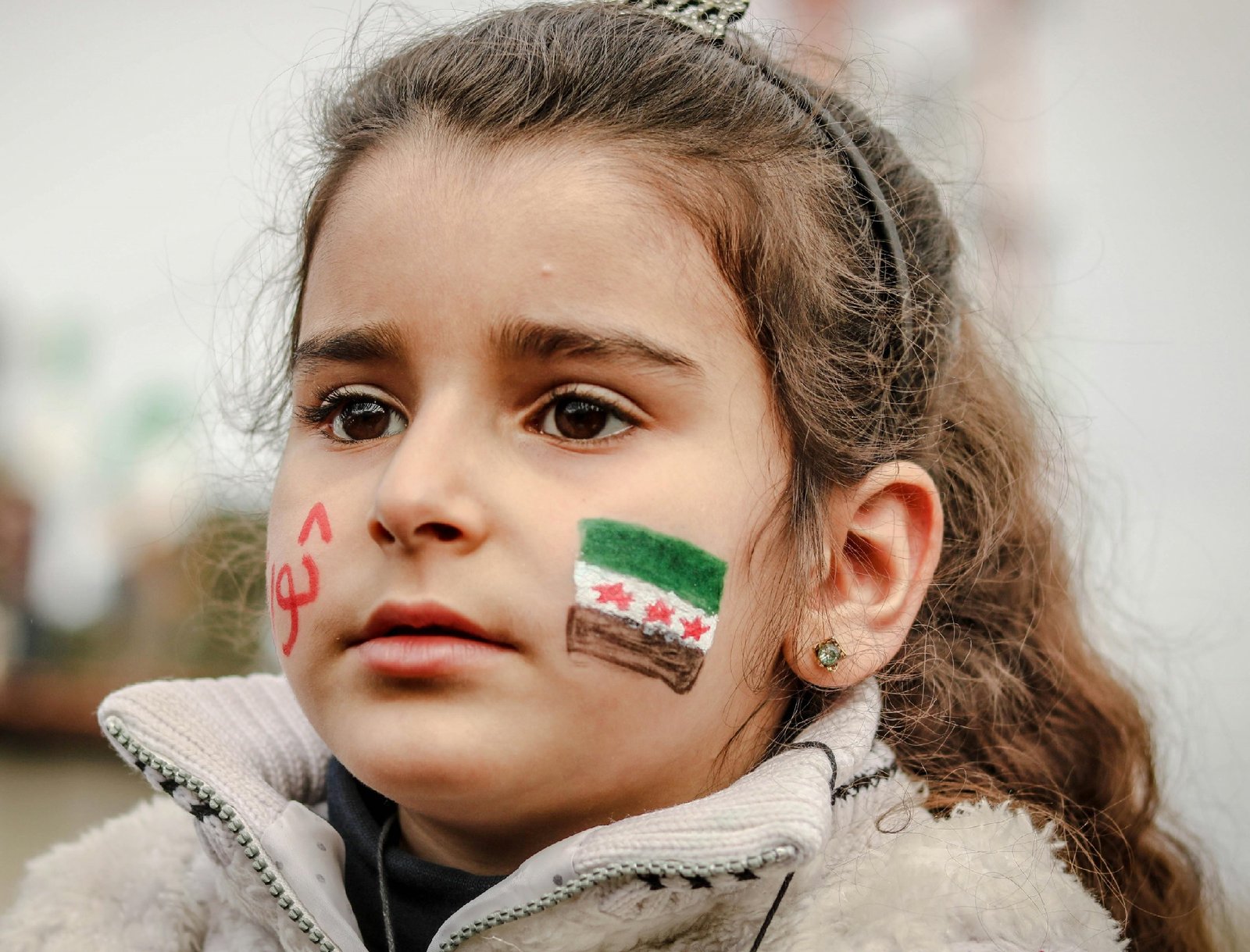
In Syria, the brutal conflict that has been ongoing for over a decade has raised important questions about post-revolution justice and accountability, particularly concerning the need to address the crimes committed by the Syrian regime.
The Assad regime, led by President Bashar al-Assad, has been accused of numerous human rights violations, war crimes, and crimes against humanity during the course of the conflict. These include the use of chemical weapons, indiscriminate bombings of civilian areas, torture, enforced disappearances, and systematic repression of dissent.
As the conflict continues to ravage the country and the suffering of the Syrian people persists, the importance of accountability for the crimes committed by the regime cannot be overstated. Justice for the victims and their families, as well as the restoration of the rule of law and respect for human rights, are essential components of any post-conflict transition in Syria.
Efforts to achieve accountability for Syrian regime crimes have been hindered by various challenges, including the lack of cooperation from the Syrian government, the role of powerful international actors with conflicting interests, and the limited capacity of international mechanisms to investigate and prosecute crimes.
Despite these challenges, there have been some important steps taken towards accountability. The International, Impartial, and Independent Mechanism (IIIM) was established by the UN General Assembly in 2016 to assist in the collection and analysis of evidence of crimes committed in Syria. The IIIM's work has contributed to the documentation of human rights violations and the identification of perpetrators, laying the groundwork for future accountability measures.
In addition, several countries have pursued legal action against individuals responsible for Syrian regime crimes under the principle of universal jurisdiction. These efforts have resulted in a handful of prosecutions and convictions, though the path to justice remains long and complex.
Moving forward, the international community must continue to support efforts to hold the Syrian regime accountable for its crimes. This includes ensuring that the IIIM and other investigative mechanisms have the necessary resources and political backing to carry out their work effectively, as well as exploring avenues for justice through international courts and tribunals.
Ultimately, accountability for Syrian regime crimes is not only a matter of justice for the victims, but also a vital step towards building a more stable and peaceful future for Syria. Only by addressing the past atrocities and holding perpetrators to account can the country hope to move forward towards a sustainable and inclusive post-conflict society.
Leave a Comment:
SEARCH
Recent News
- Zurich, Switzerland and Tunisia are two countries that are geographically distant but connected through various global issues and news events. Let's take a look at some of the recent news coming out of these two diverse locations.
- Switzerland is widely known for its breathtaking landscapes, high standard of living, and efficient public transportation system. Zurich, the largest city in Switzerland, perfectly embodies these characteristics and offers visitors a unique blend of culture, history, and natural beauty. In this Tunisian travel guide to Zurich, we will explore some of the must-visit attractions, delicious cuisine to try, and practical tips for making the most of your trip.
- Zurich, Switzerland is a charming city known for its stunning architecture, picturesque landscapes, and vibrant culture. It is a popular destination for tourists from all over the world, offering a mix of historical sites, modern amenities, and breathtaking natural beauty. One of the must-visit places in Zurich is the old town, where you can stroll through narrow cobblestone streets lined with shops, cafes, and historic buildings.
- Zurich, Switzerland is a vibrant city known for its rich cultural scene and diverse music offerings. One unique aspect of Zurich's music scene is the presence of Sudanese music, which has found a home in the city's melting pot of cultures.
- Zurich, Switzerland is a vibrant city known for its picturesque landscapes, rich history, and diverse cultural scene. One fascinating aspect of Zurich's cultural tapestry is the influence of Sudanese culture in the city.
- Zurich, Switzerland is known for its multicultural atmosphere and diverse culinary scene. One of the lesser-known gems of Zurich's food scene is Sudanese cuisine. Sudanese cuisine is a reflection of the country's diverse cultural influences, blending Arabic, African, and Mediterranean flavors to create a unique and delicious culinary experience.
- Zurich, Switzerland, is a vibrant city known for its scenic beauty, rich history, and thriving business environment. One interesting aspect of Zurich's business landscape is the presence of Sudanese entrepreneurs who have made their mark in various industries in the city.
- Rebuilding Syria's Economy After the Dictatorship: Lessons from Zurich, Switzerland
READ MORE
11 months ago Category :

Zurich, Switzerland and Tunisia are two countries that are geographically distant but connected through various global issues and news events. Let's take a look at some of the recent news coming out of these two diverse locations.
Read More →11 months ago Category :

Switzerland is widely known for its breathtaking landscapes, high standard of living, and efficient public transportation system. Zurich, the largest city in Switzerland, perfectly embodies these characteristics and offers visitors a unique blend of culture, history, and natural beauty. In this Tunisian travel guide to Zurich, we will explore some of the must-visit attractions, delicious cuisine to try, and practical tips for making the most of your trip.
Read More →11 months ago Category :

Zurich, Switzerland is a charming city known for its stunning architecture, picturesque landscapes, and vibrant culture. It is a popular destination for tourists from all over the world, offering a mix of historical sites, modern amenities, and breathtaking natural beauty. One of the must-visit places in Zurich is the old town, where you can stroll through narrow cobblestone streets lined with shops, cafes, and historic buildings.
Read More →11 months ago Category :
