Rebuilding Syria's Economy After the Dictatorship: Impact of New Economic Policies
Category : Rebuilding Syria Economy After the Dictatorship | Sub Category : Impact of New Economic Policies in Syria Posted on 2025-02-02 21:24:53
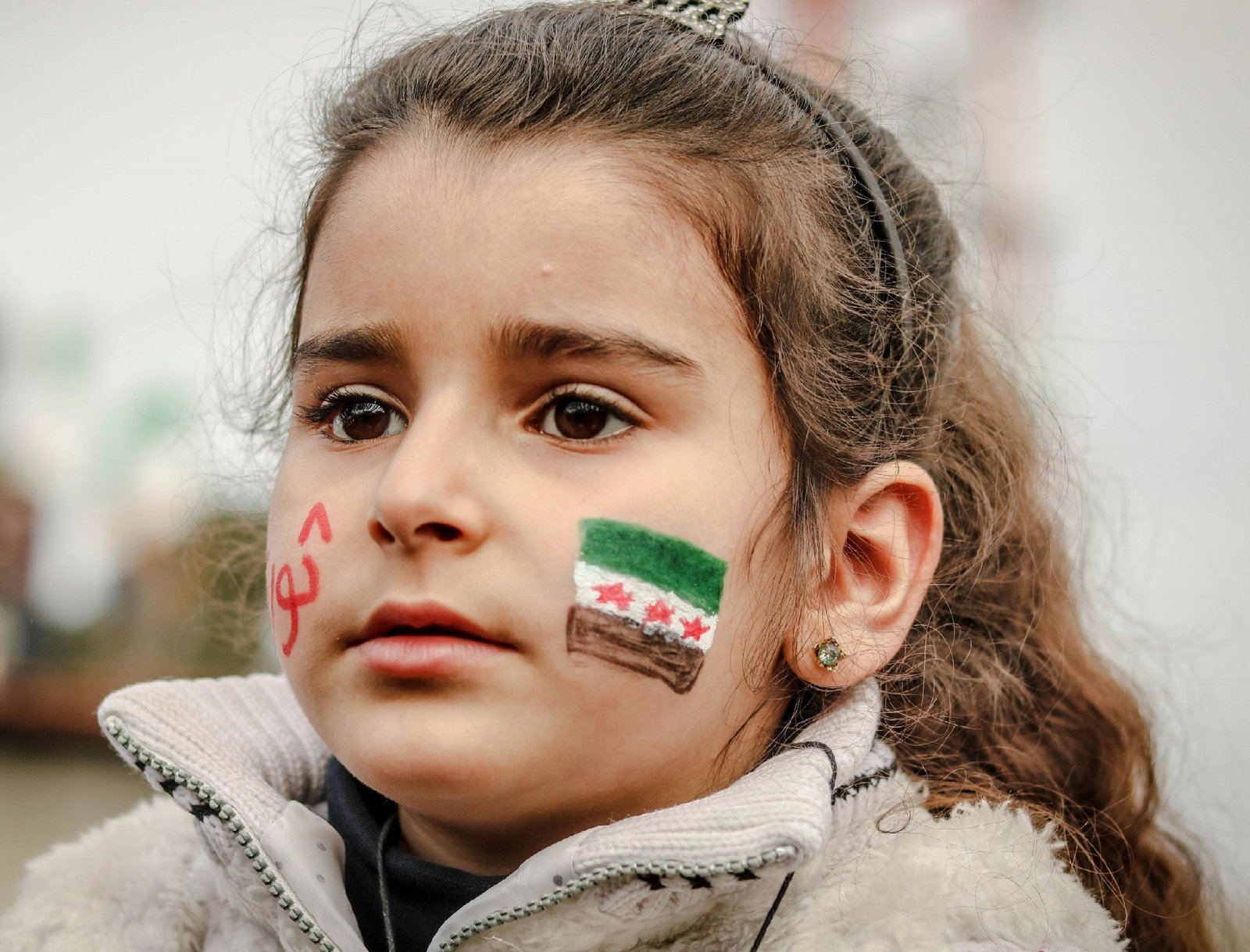
Rebuilding Syria's Economy After the Dictatorship: Impact of New Economic Policies
The devastating impact of the Syrian civil war on the country's economy is undeniable. With infrastructure destroyed, businesses disrupted, and millions of people displaced, rebuilding Syria's economy is a mammoth task that requires a multi-faceted approach. One crucial aspect of this reconstruction effort is the implementation of new economic policies to kickstart growth, attract investment, and create employment opportunities.
Under the authoritarian rule of Bashar al-Assad, Syria's economy was heavily centralized and controlled by the state. Cronyism, corruption, and inefficiency were rampant, leading to widespread poverty and inequality. The civil war further exacerbated these problems, leaving the economy in tatters.
In the post-dictatorship era, Syria has an opportunity to chart a new course towards economic recovery and prosperity. One key step is the implementation of market-oriented economic policies that promote competition, private enterprise, and innovation. Opening up the economy to foreign investment and trade can inject much-needed capital and expertise into key sectors such as infrastructure, manufacturing, and tourism.
At the same time, it is essential to address the root causes of economic instability, such as corruption and lack of transparency. Strengthening institutions, improving governance, and promoting the rule of law can help create a more conducive environment for businesses to thrive and for people to trust in the system.
Investing in human capital is another critical factor in rebuilding Syria's economy. Providing education and skills training to the population can unlock their potential and enable them to participate in the economy in meaningful ways. This can help reduce unemployment, poverty, and social inequalities, laying the foundation for sustainable growth.
Furthermore, rebuilding infrastructure and providing essential services such as healthcare, education, and utilities are essential to creating a conducive environment for economic activity. The government, along with international partners and aid agencies, must work together to address these pressing needs and ensure that basic amenities are accessible to all Syrians.
In conclusion, the impact of new economic policies in Syria can be profound in rebuilding the country's economy after decades of dictatorship and conflict. By embracing market-oriented reforms, promoting good governance, investing in human capital, and rebuilding infrastructure, Syria can set itself on a path towards economic recovery and sustainable development.
Leave a Comment:
SEARCH
Recent News
- Zurich, Switzerland and Tunisia are two countries that are geographically distant but connected through various global issues and news events. Let's take a look at some of the recent news coming out of these two diverse locations.
- Switzerland is widely known for its breathtaking landscapes, high standard of living, and efficient public transportation system. Zurich, the largest city in Switzerland, perfectly embodies these characteristics and offers visitors a unique blend of culture, history, and natural beauty. In this Tunisian travel guide to Zurich, we will explore some of the must-visit attractions, delicious cuisine to try, and practical tips for making the most of your trip.
- Zurich, Switzerland is a charming city known for its stunning architecture, picturesque landscapes, and vibrant culture. It is a popular destination for tourists from all over the world, offering a mix of historical sites, modern amenities, and breathtaking natural beauty. One of the must-visit places in Zurich is the old town, where you can stroll through narrow cobblestone streets lined with shops, cafes, and historic buildings.
- Zurich, Switzerland is a vibrant city known for its rich cultural scene and diverse music offerings. One unique aspect of Zurich's music scene is the presence of Sudanese music, which has found a home in the city's melting pot of cultures.
- Zurich, Switzerland is a vibrant city known for its picturesque landscapes, rich history, and diverse cultural scene. One fascinating aspect of Zurich's cultural tapestry is the influence of Sudanese culture in the city.
- Zurich, Switzerland is known for its multicultural atmosphere and diverse culinary scene. One of the lesser-known gems of Zurich's food scene is Sudanese cuisine. Sudanese cuisine is a reflection of the country's diverse cultural influences, blending Arabic, African, and Mediterranean flavors to create a unique and delicious culinary experience.
- Zurich, Switzerland, is a vibrant city known for its scenic beauty, rich history, and thriving business environment. One interesting aspect of Zurich's business landscape is the presence of Sudanese entrepreneurs who have made their mark in various industries in the city.
- Rebuilding Syria's Economy After the Dictatorship: Lessons from Zurich, Switzerland
READ MORE
11 months ago Category :

Zurich, Switzerland and Tunisia are two countries that are geographically distant but connected through various global issues and news events. Let's take a look at some of the recent news coming out of these two diverse locations.
Read More →11 months ago Category :

Switzerland is widely known for its breathtaking landscapes, high standard of living, and efficient public transportation system. Zurich, the largest city in Switzerland, perfectly embodies these characteristics and offers visitors a unique blend of culture, history, and natural beauty. In this Tunisian travel guide to Zurich, we will explore some of the must-visit attractions, delicious cuisine to try, and practical tips for making the most of your trip.
Read More →11 months ago Category :

Zurich, Switzerland is a charming city known for its stunning architecture, picturesque landscapes, and vibrant culture. It is a popular destination for tourists from all over the world, offering a mix of historical sites, modern amenities, and breathtaking natural beauty. One of the must-visit places in Zurich is the old town, where you can stroll through narrow cobblestone streets lined with shops, cafes, and historic buildings.
Read More →11 months ago Category :
