Reconciliation in Post-War Syria: Challenges to National Healing
Category : Reconciliation in Post-War Syria | Sub Category : Challenges to National Reconciliation in Syria Posted on 2025-02-02 21:24:53
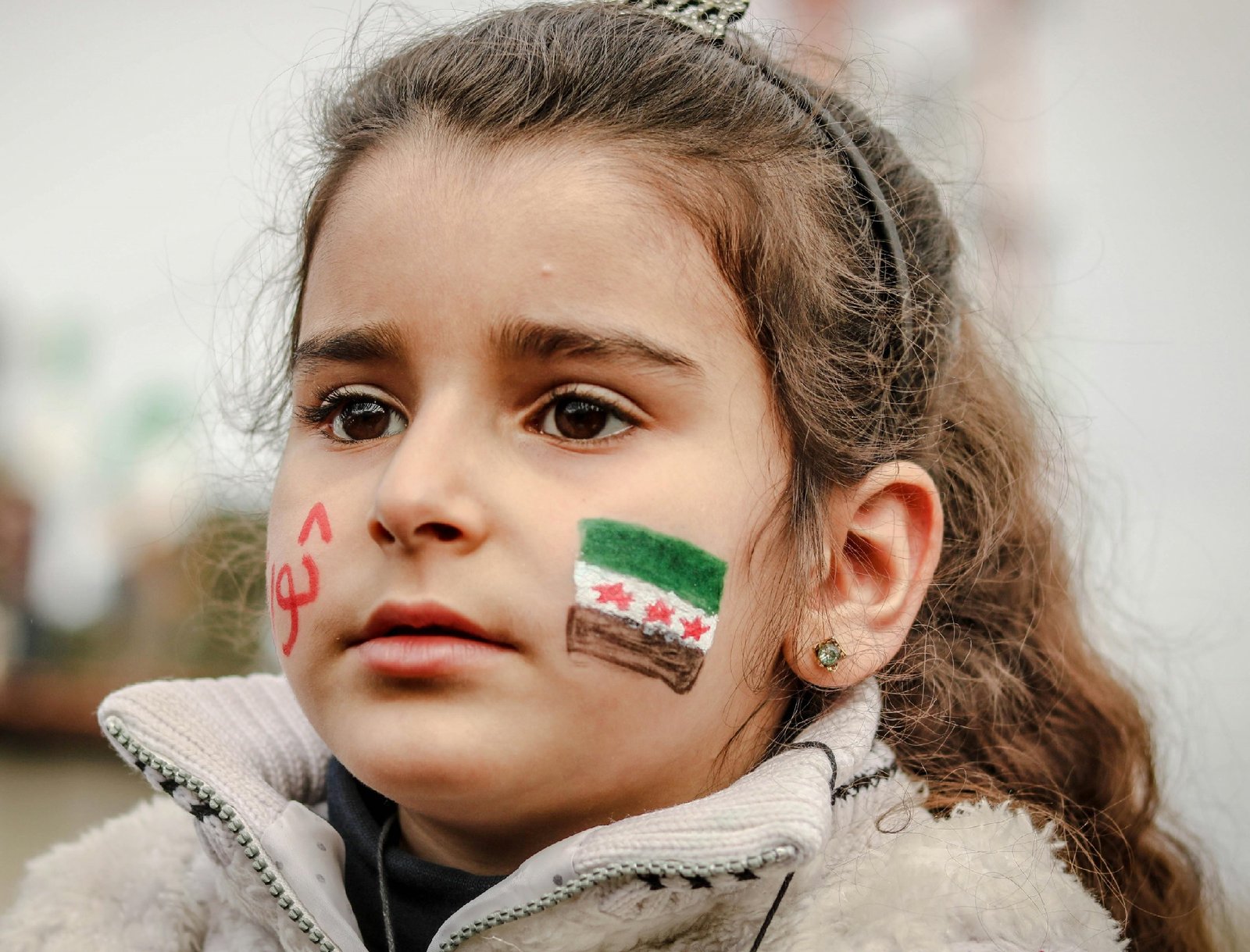
Reconciliation in Post-War Syria: Challenges to National Healing
Syria has been plagued by a brutal civil war that has resulted in immense suffering and division among its people. As the conflict slowly winds down, the daunting task of rebuilding the nation and fostering reconciliation lies ahead. However, achieving national healing and unity in post-war Syria is no easy feat, as there are significant challenges that must be overcome.
One of the primary obstacles to reconciliation in Syria is the deep-seated ethnic and sectarian divisions that have been exacerbated by years of conflict. The war has pitted various religious and ethnic groups against each other, leading to deep-seated animosities and grievances that cannot be easily reconciled. Rebuilding trust and fostering dialogue among these fractured communities will be essential in order to move towards a more unified and peaceful Syria.
Another major challenge to national reconciliation in Syria is the issue of justice and accountability for the atrocities committed during the war. Many Syrians have experienced unimaginable loss and suffering at the hands of various warring factions, and the quest for justice and redress is a crucial aspect of the healing process. However, navigating the complex landscape of accountability while also promoting reconciliation and forgiveness will require a delicate balance and careful planning.
Furthermore, the massive scale of destruction and displacement in Syria presents a significant obstacle to reconciliation. The war has left much of the country in ruins, with millions of Syrians displaced both internally and externally. Rebuilding homes, infrastructure, and communities will be a monumental task that will require significant resources and coordination. Ensuring that all Syrians have the opportunity to return to their homes and rebuild their lives will be crucial for fostering a sense of national unity and reconciliation.
In addition, the involvement of various external actors in the Syrian conflict has further complicated the prospects for reconciliation. The interests of regional and international powers have often fueled the conflict and undermined efforts towards peace and reconciliation. Finding a way to navigate these complex geopolitical dynamics and create a space for genuine Syrian-led reconciliation will be essential for the long-term stability of the country.
Despite these formidable challenges, there is still hope for reconciliation in post-war Syria. Civil society organizations, grassroots initiatives, and peacebuilding efforts have emerged throughout the country, demonstrating the resilience and determination of the Syrian people to work towards a more peaceful and united future. International support and engagement will also be critical in assisting Syrians as they navigate the difficult path towards reconciliation.
In conclusion, achieving national reconciliation in post-war Syria will require a multi-faceted approach that addresses the deep-seated divisions, promotes justice and accountability, addresses the humanitarian needs of the population, and navigates complex geopolitical dynamics. While the challenges are significant, the resilience and determination of the Syrian people, supported by concerted international efforts, offer hope for a more peaceful and unified Syria in the years to come.
Leave a Comment:
SEARCH
Recent News
- Zurich, Switzerland and Tunisia are two countries that are geographically distant but connected through various global issues and news events. Let's take a look at some of the recent news coming out of these two diverse locations.
- Switzerland is widely known for its breathtaking landscapes, high standard of living, and efficient public transportation system. Zurich, the largest city in Switzerland, perfectly embodies these characteristics and offers visitors a unique blend of culture, history, and natural beauty. In this Tunisian travel guide to Zurich, we will explore some of the must-visit attractions, delicious cuisine to try, and practical tips for making the most of your trip.
- Zurich, Switzerland is a charming city known for its stunning architecture, picturesque landscapes, and vibrant culture. It is a popular destination for tourists from all over the world, offering a mix of historical sites, modern amenities, and breathtaking natural beauty. One of the must-visit places in Zurich is the old town, where you can stroll through narrow cobblestone streets lined with shops, cafes, and historic buildings.
- Zurich, Switzerland is a vibrant city known for its rich cultural scene and diverse music offerings. One unique aspect of Zurich's music scene is the presence of Sudanese music, which has found a home in the city's melting pot of cultures.
- Zurich, Switzerland is a vibrant city known for its picturesque landscapes, rich history, and diverse cultural scene. One fascinating aspect of Zurich's cultural tapestry is the influence of Sudanese culture in the city.
- Zurich, Switzerland is known for its multicultural atmosphere and diverse culinary scene. One of the lesser-known gems of Zurich's food scene is Sudanese cuisine. Sudanese cuisine is a reflection of the country's diverse cultural influences, blending Arabic, African, and Mediterranean flavors to create a unique and delicious culinary experience.
- Zurich, Switzerland, is a vibrant city known for its scenic beauty, rich history, and thriving business environment. One interesting aspect of Zurich's business landscape is the presence of Sudanese entrepreneurs who have made their mark in various industries in the city.
- Rebuilding Syria's Economy After the Dictatorship: Lessons from Zurich, Switzerland
READ MORE
11 months ago Category :

Zurich, Switzerland and Tunisia are two countries that are geographically distant but connected through various global issues and news events. Let's take a look at some of the recent news coming out of these two diverse locations.
Read More →11 months ago Category :

Switzerland is widely known for its breathtaking landscapes, high standard of living, and efficient public transportation system. Zurich, the largest city in Switzerland, perfectly embodies these characteristics and offers visitors a unique blend of culture, history, and natural beauty. In this Tunisian travel guide to Zurich, we will explore some of the must-visit attractions, delicious cuisine to try, and practical tips for making the most of your trip.
Read More →11 months ago Category :

Zurich, Switzerland is a charming city known for its stunning architecture, picturesque landscapes, and vibrant culture. It is a popular destination for tourists from all over the world, offering a mix of historical sites, modern amenities, and breathtaking natural beauty. One of the must-visit places in Zurich is the old town, where you can stroll through narrow cobblestone streets lined with shops, cafes, and historic buildings.
Read More →11 months ago Category :
