The Role of Syrian Civil Society in Shaping the Political Future of Syria in a Post-Authoritarian Era
Category : Syria Political Future in a Post-Authoritarian Era | Sub Category : Syrian Civil Society Role in Post-Authoritarian Politics Posted on 2025-02-02 21:24:53
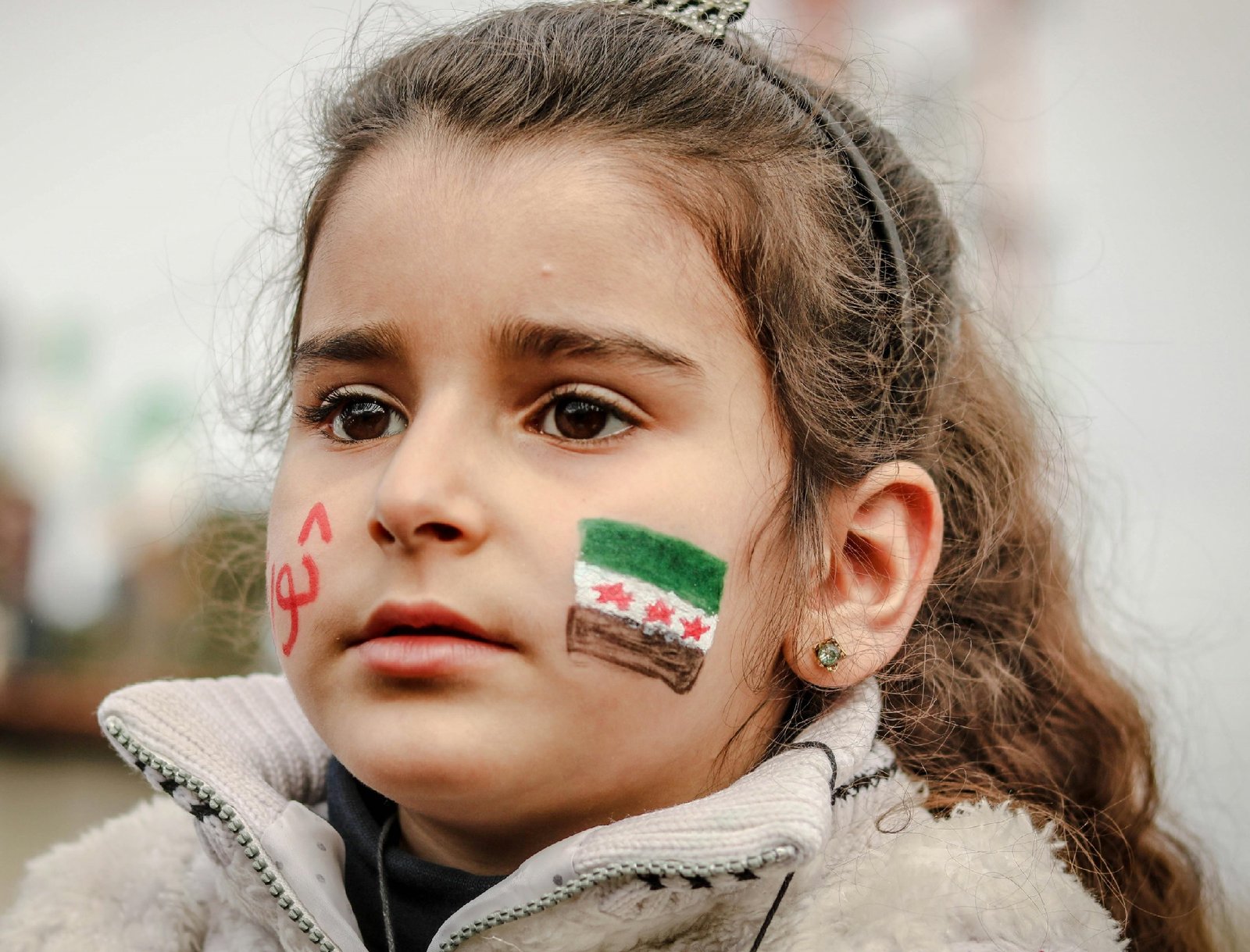
The Role of Syrian Civil Society in Shaping the Political Future of Syria in a Post-Authoritarian Era
As Syria transitions into a post-authoritarian era, the country is faced with the daunting task of rebuilding its political landscape and fostering democratic governance. One key actor in this process is the Syrian civil society, which has the potential to play a crucial role in shaping the future of the country.
Civil society organizations in Syria have a long history of advocating for human rights, promoting social justice, and providing services to vulnerable populations. Despite facing severe repression under the Assad regime, many of these organizations have continued to operate underground and in exile, working tirelessly to uphold democratic values and principles.
In the aftermath of the Syrian civil war, civil society has emerged as a vibrant and diverse sector, comprising a wide range of grassroots movements, advocacy groups, women's organizations, and humanitarian agencies. These organizations have been instrumental in providing aid to displaced populations, documenting human rights abuses, and mobilizing public support for political reforms.
As Syria transitions into a post-authoritarian era, civil society can leverage its grassroots networks and social capital to advocate for inclusive and participatory governance. By fostering dialogue among different political factions, promoting reconciliation and peacebuilding initiatives, and holding the government accountable, civil society can help lay the groundwork for a more democratic and transparent political system.
Furthermore, civil society can play a crucial role in building social cohesion and fostering a sense of national identity among Syrians from diverse religious, ethnic, and socio-economic backgrounds. By promoting tolerance, diversity, and respect for human rights, civil society can help counter extremist ideologies and promote a culture of peace and coexistence.
In order to maximize their impact, civil society organizations in Syria must be supported with adequate resources, legal protection, and political recognition. International donors, governments, and multilateral organizations can play a key role in providing funding, technical assistance, and capacity-building support to strengthen the capacity of civil society to contribute to the political transition in Syria.
In conclusion, the role of Syrian civil society in shaping the political future of the country in a post-authoritarian era is critical. By advocating for democratic values, promoting social justice, and fostering peace and reconciliation, civil society can help pave the way for a more inclusive and participatory political system in Syria. With the right support and resources, civil society can be a powerful force for positive change and transformation in the country.
Leave a Comment:
SEARCH
Recent News
- Zurich, Switzerland and Tunisia are two countries that are geographically distant but connected through various global issues and news events. Let's take a look at some of the recent news coming out of these two diverse locations.
- Switzerland is widely known for its breathtaking landscapes, high standard of living, and efficient public transportation system. Zurich, the largest city in Switzerland, perfectly embodies these characteristics and offers visitors a unique blend of culture, history, and natural beauty. In this Tunisian travel guide to Zurich, we will explore some of the must-visit attractions, delicious cuisine to try, and practical tips for making the most of your trip.
- Zurich, Switzerland is a charming city known for its stunning architecture, picturesque landscapes, and vibrant culture. It is a popular destination for tourists from all over the world, offering a mix of historical sites, modern amenities, and breathtaking natural beauty. One of the must-visit places in Zurich is the old town, where you can stroll through narrow cobblestone streets lined with shops, cafes, and historic buildings.
- Zurich, Switzerland is a vibrant city known for its rich cultural scene and diverse music offerings. One unique aspect of Zurich's music scene is the presence of Sudanese music, which has found a home in the city's melting pot of cultures.
- Zurich, Switzerland is a vibrant city known for its picturesque landscapes, rich history, and diverse cultural scene. One fascinating aspect of Zurich's cultural tapestry is the influence of Sudanese culture in the city.
- Zurich, Switzerland is known for its multicultural atmosphere and diverse culinary scene. One of the lesser-known gems of Zurich's food scene is Sudanese cuisine. Sudanese cuisine is a reflection of the country's diverse cultural influences, blending Arabic, African, and Mediterranean flavors to create a unique and delicious culinary experience.
- Zurich, Switzerland, is a vibrant city known for its scenic beauty, rich history, and thriving business environment. One interesting aspect of Zurich's business landscape is the presence of Sudanese entrepreneurs who have made their mark in various industries in the city.
- Rebuilding Syria's Economy After the Dictatorship: Lessons from Zurich, Switzerland
READ MORE
11 months ago Category :

Zurich, Switzerland and Tunisia are two countries that are geographically distant but connected through various global issues and news events. Let's take a look at some of the recent news coming out of these two diverse locations.
Read More →11 months ago Category :

Switzerland is widely known for its breathtaking landscapes, high standard of living, and efficient public transportation system. Zurich, the largest city in Switzerland, perfectly embodies these characteristics and offers visitors a unique blend of culture, history, and natural beauty. In this Tunisian travel guide to Zurich, we will explore some of the must-visit attractions, delicious cuisine to try, and practical tips for making the most of your trip.
Read More →11 months ago Category :

Zurich, Switzerland is a charming city known for its stunning architecture, picturesque landscapes, and vibrant culture. It is a popular destination for tourists from all over the world, offering a mix of historical sites, modern amenities, and breathtaking natural beauty. One of the must-visit places in Zurich is the old town, where you can stroll through narrow cobblestone streets lined with shops, cafes, and historic buildings.
Read More →11 months ago Category :
