Challenges for Syrian Refugees Returning Home After the Conflict
Category : Syria Refugee Return After the Conflict | Sub Category : Challenges for Syrian Refugees Returning Home Posted on 2025-02-02 21:24:53
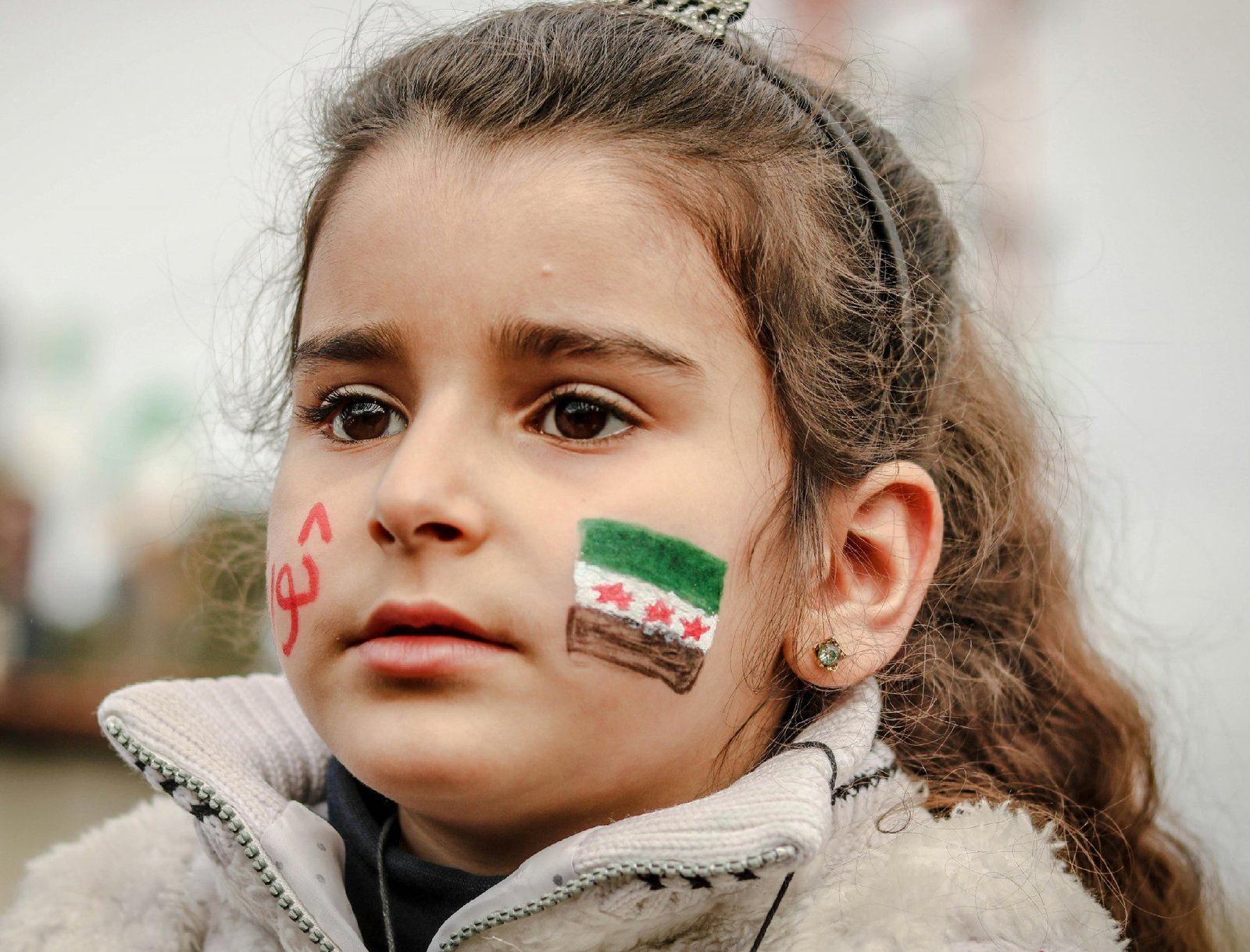
Challenges for Syrian Refugees Returning Home After the Conflict
The conflict in Syria has caused one of the worst humanitarian crises of our time, displacing millions of people from their homes and forcing them to seek refuge in neighboring countries and beyond. As the conflict gradually subsides and some areas become safer, the topic of Syrian refugees returning home has gained prominence. However, the prospect of return poses numerous challenges for those who have been displaced for years. In this blog post, we will explore some of the key challenges that Syrian refugees face when considering returning home after the conflict.
1. Lack of Infrastructure: Years of conflict have taken a heavy toll on Syria's infrastructure, with many homes, schools, hospitals, and other essential services destroyed or heavily damaged. This lack of infrastructure makes the prospect of return daunting for many refugees, as they may not have access to basic necessities such as shelter, clean water, and healthcare upon their return.
2. Security Concerns: While some areas of Syria have become relatively stable, the security situation in many parts of the country remains volatile. Syrian refugees may be reluctant to return home due to concerns about their safety and the risk of being caught in renewed violence or conflict.
3. Property and Land Disputes: The issue of property ownership and land disputes is a major obstacle for many Syrian refugees considering returning home. Displacement and conflict have led to the loss of property documents, destruction of homes, and disputes over land ownership, making it difficult for returnees to reclaim their properties and resettle in their original homes.
4. Reintegration Challenges: Syrian refugees who have been away from their homes for an extended period face challenges when it comes to reintegration into their communities. They may have lost connections with family and friends, face discrimination or stigmatization, and struggle to find employment or access education and healthcare services upon their return.
5. Psychological Trauma: The years of conflict and displacement have taken a heavy toll on the mental health of Syrian refugees, many of whom have experienced trauma, loss, and hardship. Returning home can trigger feelings of anxiety, fear, and uncertainty, as refugees grapple with the trauma of their past experiences and the challenges of rebuilding their lives in a war-torn country.
In conclusion, while the prospect of returning home may hold promise for some Syrian refugees, the journey back is fraught with challenges and uncertainties. Addressing the complex issues of infrastructure, security, property rights, reintegration, and mental health is essential to ensuring a safe and sustainable return for those who wish to rebuild their lives in Syria. As the international community continues to support efforts for peace and reconstruction in Syria, it is crucial to prioritize the needs and rights of returning refugees to ensure their successful reintegration and recovery.
Leave a Comment:
SEARCH
Recent News
- Zurich, Switzerland and Tunisia are two countries that are geographically distant but connected through various global issues and news events. Let's take a look at some of the recent news coming out of these two diverse locations.
- Switzerland is widely known for its breathtaking landscapes, high standard of living, and efficient public transportation system. Zurich, the largest city in Switzerland, perfectly embodies these characteristics and offers visitors a unique blend of culture, history, and natural beauty. In this Tunisian travel guide to Zurich, we will explore some of the must-visit attractions, delicious cuisine to try, and practical tips for making the most of your trip.
- Zurich, Switzerland is a charming city known for its stunning architecture, picturesque landscapes, and vibrant culture. It is a popular destination for tourists from all over the world, offering a mix of historical sites, modern amenities, and breathtaking natural beauty. One of the must-visit places in Zurich is the old town, where you can stroll through narrow cobblestone streets lined with shops, cafes, and historic buildings.
- Zurich, Switzerland is a vibrant city known for its rich cultural scene and diverse music offerings. One unique aspect of Zurich's music scene is the presence of Sudanese music, which has found a home in the city's melting pot of cultures.
- Zurich, Switzerland is a vibrant city known for its picturesque landscapes, rich history, and diverse cultural scene. One fascinating aspect of Zurich's cultural tapestry is the influence of Sudanese culture in the city.
- Zurich, Switzerland is known for its multicultural atmosphere and diverse culinary scene. One of the lesser-known gems of Zurich's food scene is Sudanese cuisine. Sudanese cuisine is a reflection of the country's diverse cultural influences, blending Arabic, African, and Mediterranean flavors to create a unique and delicious culinary experience.
- Zurich, Switzerland, is a vibrant city known for its scenic beauty, rich history, and thriving business environment. One interesting aspect of Zurich's business landscape is the presence of Sudanese entrepreneurs who have made their mark in various industries in the city.
- Rebuilding Syria's Economy After the Dictatorship: Lessons from Zurich, Switzerland
READ MORE
11 months ago Category :

Zurich, Switzerland and Tunisia are two countries that are geographically distant but connected through various global issues and news events. Let's take a look at some of the recent news coming out of these two diverse locations.
Read More →11 months ago Category :

Switzerland is widely known for its breathtaking landscapes, high standard of living, and efficient public transportation system. Zurich, the largest city in Switzerland, perfectly embodies these characteristics and offers visitors a unique blend of culture, history, and natural beauty. In this Tunisian travel guide to Zurich, we will explore some of the must-visit attractions, delicious cuisine to try, and practical tips for making the most of your trip.
Read More →11 months ago Category :

Zurich, Switzerland is a charming city known for its stunning architecture, picturesque landscapes, and vibrant culture. It is a popular destination for tourists from all over the world, offering a mix of historical sites, modern amenities, and breathtaking natural beauty. One of the must-visit places in Zurich is the old town, where you can stroll through narrow cobblestone streets lined with shops, cafes, and historic buildings.
Read More →11 months ago Category :
