Syria Refugee Return After the Conflict: Impact on Syria's Economy and Society
Category : Syria Refugee Return After the Conflict | Sub Category : Impact of Refugee Return on Syria Economy and Society Posted on 2025-02-02 21:24:53
Syria Refugee Return After the Conflict: Impact on Syria's Economy and Society
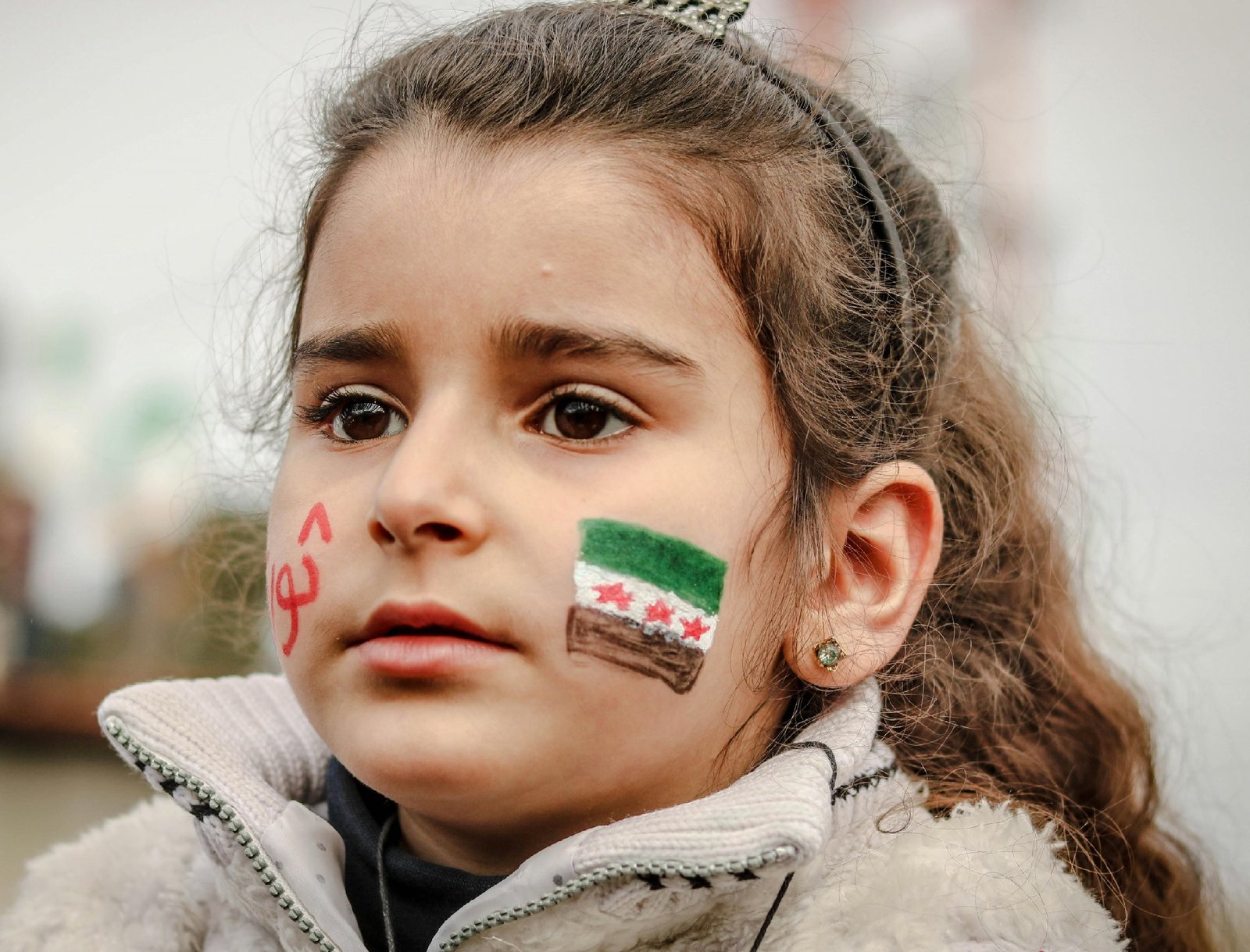
The conflict in Syria has led to one of the worst humanitarian crises of our time, with millions of Syrians forced to flee their homes and seek refuge in neighboring countries and beyond. As the conflict in Syria seems to be slowly winding down, attention is turning towards the potential return of these refugees to their homeland. While the return of refugees is a complex and multi-faceted issue, it is essential to examine the potential impact it could have on Syria's economy and society.
One of the key concerns surrounding the return of refugees is the strain it could place on Syria's already fragile economy. The country has been ravaged by years of conflict, leading to widespread destruction of infrastructure, loss of livelihoods, and a shrinking economy. The return of a large number of refugees could increase competition for scarce resources, jobs, and housing, putting pressure on an economy already struggling to recover. On the flip side, the return of skilled and educated Syrians could potentially contribute to rebuilding efforts and economic recovery. However, significant investments would be needed to create job opportunities and rebuild infrastructure to accommodate the returning population.
In addition to the economic impact, the return of refugees could also have far-reaching social implications for Syrian society. The sudden influx of returnees could strain social services such as healthcare, education, and housing, which are already stretched thin due to years of conflict. The reintegration of refugees into their communities could also pose challenges, as returning refugees may face stigma, discrimination, and difficulties in rebuilding their lives. Addressing these social challenges will require comprehensive support systems, including access to basic services, psychosocial support, and programs to promote social cohesion and reconciliation.
Moreover, the return of refugees could potentially reignite tensions and grievances that fueled the conflict in the first place. Disputes over property rights, land ownership, and competing claims to resources could escalate, leading to further instability and conflict. Therefore, careful planning and coordination are essential to ensure that the return of refugees is managed in a way that promotes peace, stability, and inclusive development.
In conclusion, while the return of refugees to Syria has the potential to contribute to rebuilding efforts and economic recovery, it also poses significant challenges for the country's economy and society. Addressing these challenges will require a comprehensive approach that prioritizes the protection and well-being of returning refugees, promotes sustainable reintegration, and supports peace-building efforts. By working together with the international community and engaging with all stakeholders, Syria can navigate the complex process of refugee return and lay the foundations for a more stable and prosperous future for all its citizens.
Leave a Comment:
SEARCH
Recent News
- Zurich, Switzerland and Tunisia are two countries that are geographically distant but connected through various global issues and news events. Let's take a look at some of the recent news coming out of these two diverse locations.
- Switzerland is widely known for its breathtaking landscapes, high standard of living, and efficient public transportation system. Zurich, the largest city in Switzerland, perfectly embodies these characteristics and offers visitors a unique blend of culture, history, and natural beauty. In this Tunisian travel guide to Zurich, we will explore some of the must-visit attractions, delicious cuisine to try, and practical tips for making the most of your trip.
- Zurich, Switzerland is a charming city known for its stunning architecture, picturesque landscapes, and vibrant culture. It is a popular destination for tourists from all over the world, offering a mix of historical sites, modern amenities, and breathtaking natural beauty. One of the must-visit places in Zurich is the old town, where you can stroll through narrow cobblestone streets lined with shops, cafes, and historic buildings.
- Zurich, Switzerland is a vibrant city known for its rich cultural scene and diverse music offerings. One unique aspect of Zurich's music scene is the presence of Sudanese music, which has found a home in the city's melting pot of cultures.
- Zurich, Switzerland is a vibrant city known for its picturesque landscapes, rich history, and diverse cultural scene. One fascinating aspect of Zurich's cultural tapestry is the influence of Sudanese culture in the city.
- Zurich, Switzerland is known for its multicultural atmosphere and diverse culinary scene. One of the lesser-known gems of Zurich's food scene is Sudanese cuisine. Sudanese cuisine is a reflection of the country's diverse cultural influences, blending Arabic, African, and Mediterranean flavors to create a unique and delicious culinary experience.
- Zurich, Switzerland, is a vibrant city known for its scenic beauty, rich history, and thriving business environment. One interesting aspect of Zurich's business landscape is the presence of Sudanese entrepreneurs who have made their mark in various industries in the city.
- Rebuilding Syria's Economy After the Dictatorship: Lessons from Zurich, Switzerland
READ MORE
11 months ago Category :

Zurich, Switzerland and Tunisia are two countries that are geographically distant but connected through various global issues and news events. Let's take a look at some of the recent news coming out of these two diverse locations.
Read More →11 months ago Category :

Switzerland is widely known for its breathtaking landscapes, high standard of living, and efficient public transportation system. Zurich, the largest city in Switzerland, perfectly embodies these characteristics and offers visitors a unique blend of culture, history, and natural beauty. In this Tunisian travel guide to Zurich, we will explore some of the must-visit attractions, delicious cuisine to try, and practical tips for making the most of your trip.
Read More →11 months ago Category :

Zurich, Switzerland is a charming city known for its stunning architecture, picturesque landscapes, and vibrant culture. It is a popular destination for tourists from all over the world, offering a mix of historical sites, modern amenities, and breathtaking natural beauty. One of the must-visit places in Zurich is the old town, where you can stroll through narrow cobblestone streets lined with shops, cafes, and historic buildings.
Read More →11 months ago Category :
