Women’s Rights and Empowerment in Post-Dictatorship Syria: Legal Reforms for Gender Equality
Category : Women Rights and Empowerment in Post-Dictatorship Syria | Sub Category : Post-War Legal Reforms for Women Rights in Syria Posted on 2025-02-02 21:24:53
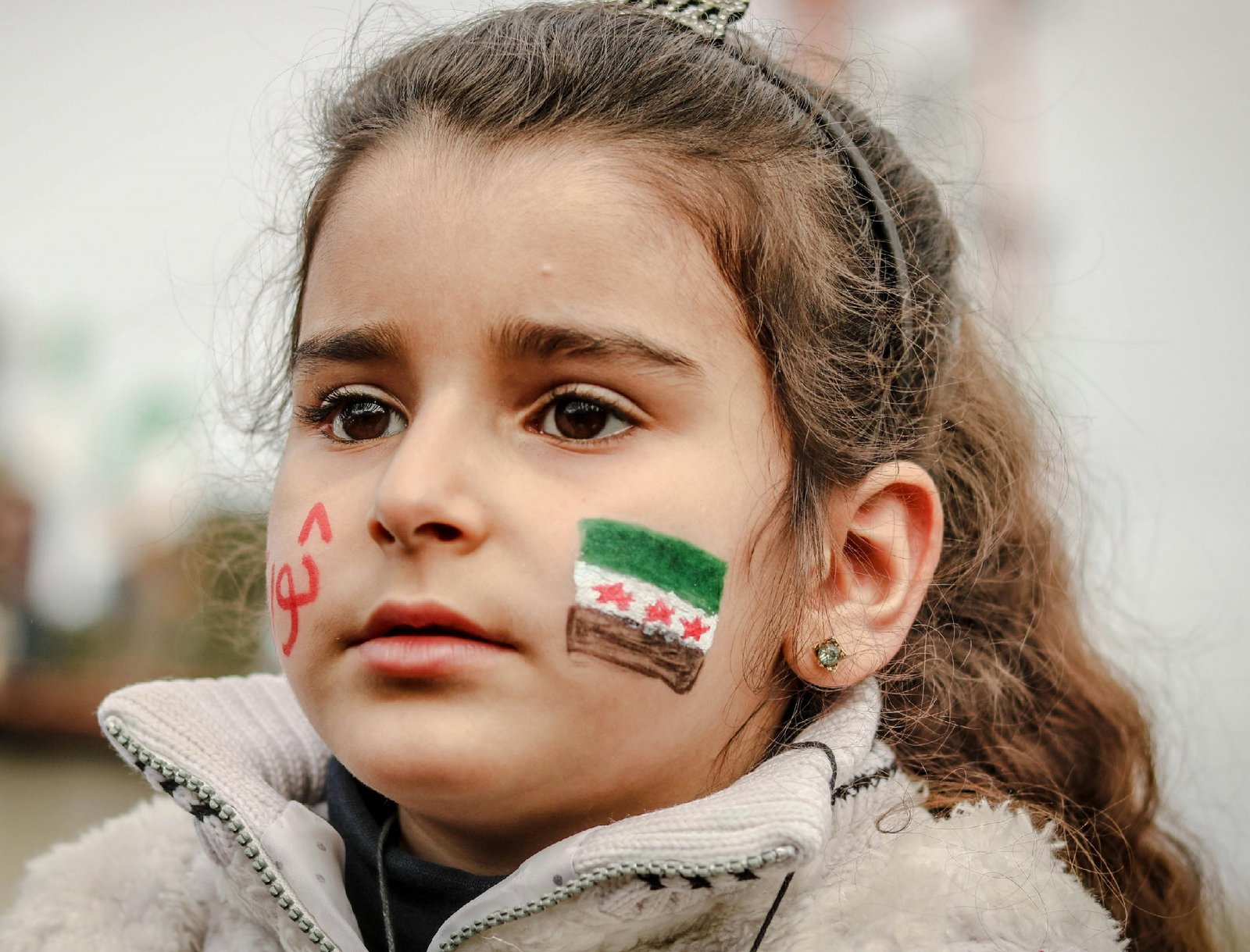
Women’s Rights and Empowerment in Post-Dictatorship Syria: Legal Reforms for Gender Equality
Introduction:
Syria, a country with a long history of authoritarian rule and conflict, is now facing a new chapter in its journey towards democracy and social progress. In the aftermath of the dictatorship and the devastating civil war, there is a pressing need for legal reforms to advance women's rights and empowerment in Syria. This blog post will explore the challenges faced by women in Syria, the progress made in protecting their rights, and the potential legal reforms that can contribute to gender equality and empowerment in the country.
Challenges for Women in Syria:
Women in Syria have long faced discrimination and inequality in various aspects of their lives, including access to education, employment, healthcare, and political participation. The conflict and post-dictatorship transition have exacerbated these challenges, with women being particularly vulnerable to violence, displacement, and economic insecurity. Traditional gender norms and societal expectations also limit women's autonomy and opportunities for advancement.
Progress in Protecting Women's Rights:
Despite the challenges, there have been notable efforts to protect and promote women's rights in Syria. Civil society organizations, women's rights activists, and international partners have played a crucial role in advocating for gender equality and raising awareness about women's issues. The Syrian government has also taken some steps towards recognizing and addressing women's rights, including ratifying international conventions and adopting laws to combat gender-based violence.
Legal Reforms for Gender Equality:
To further advance women's rights and empowerment in post-dictatorship Syria, comprehensive legal reforms are needed. These reforms should address key areas such as:
1. Ending gender-based violence: Implementing comprehensive legislation to prevent and punish all forms of violence against women, including domestic violence, sexual harassment, and honor crimes.
2. Ensuring equal access to justice: Improving women's access to legal aid, judicial protection, and remedies for gender-based discrimination.
3. Promoting women's economic empowerment: Enacting laws to ensure equal pay, promote women's participation in the labor market, and protect women's property and inheritance rights.
4. Enhancing women's political participation: Introducing measures to increase women's representation in political institutions, decision-making processes, and peace negotiations.
5. Strengthening women's access to education and healthcare: Implementing policies to eliminate gender disparities in education and healthcare services, including reproductive rights and maternal health.
Conclusion:
In conclusion, women's rights and empowerment are essential components of building a democratic and inclusive society in post-dictatorship Syria. Legal reforms that promote gender equality, protect women from violence, and ensure their full participation in all aspects of society are crucial for the country's progress and stability. By prioritizing women's rights in the legal framework and investing in women's empowerment programs, Syria can create a more just and equitable society for all its citizens.
Leave a Comment:
SEARCH
Recent News
- Zurich, Switzerland and Tunisia are two countries that are geographically distant but connected through various global issues and news events. Let's take a look at some of the recent news coming out of these two diverse locations.
- Switzerland is widely known for its breathtaking landscapes, high standard of living, and efficient public transportation system. Zurich, the largest city in Switzerland, perfectly embodies these characteristics and offers visitors a unique blend of culture, history, and natural beauty. In this Tunisian travel guide to Zurich, we will explore some of the must-visit attractions, delicious cuisine to try, and practical tips for making the most of your trip.
- Zurich, Switzerland is a charming city known for its stunning architecture, picturesque landscapes, and vibrant culture. It is a popular destination for tourists from all over the world, offering a mix of historical sites, modern amenities, and breathtaking natural beauty. One of the must-visit places in Zurich is the old town, where you can stroll through narrow cobblestone streets lined with shops, cafes, and historic buildings.
- Zurich, Switzerland is a vibrant city known for its rich cultural scene and diverse music offerings. One unique aspect of Zurich's music scene is the presence of Sudanese music, which has found a home in the city's melting pot of cultures.
- Zurich, Switzerland is a vibrant city known for its picturesque landscapes, rich history, and diverse cultural scene. One fascinating aspect of Zurich's cultural tapestry is the influence of Sudanese culture in the city.
- Zurich, Switzerland is known for its multicultural atmosphere and diverse culinary scene. One of the lesser-known gems of Zurich's food scene is Sudanese cuisine. Sudanese cuisine is a reflection of the country's diverse cultural influences, blending Arabic, African, and Mediterranean flavors to create a unique and delicious culinary experience.
- Zurich, Switzerland, is a vibrant city known for its scenic beauty, rich history, and thriving business environment. One interesting aspect of Zurich's business landscape is the presence of Sudanese entrepreneurs who have made their mark in various industries in the city.
- Rebuilding Syria's Economy After the Dictatorship: Lessons from Zurich, Switzerland
READ MORE
11 months ago Category :

Zurich, Switzerland and Tunisia are two countries that are geographically distant but connected through various global issues and news events. Let's take a look at some of the recent news coming out of these two diverse locations.
Read More →11 months ago Category :

Switzerland is widely known for its breathtaking landscapes, high standard of living, and efficient public transportation system. Zurich, the largest city in Switzerland, perfectly embodies these characteristics and offers visitors a unique blend of culture, history, and natural beauty. In this Tunisian travel guide to Zurich, we will explore some of the must-visit attractions, delicious cuisine to try, and practical tips for making the most of your trip.
Read More →11 months ago Category :

Zurich, Switzerland is a charming city known for its stunning architecture, picturesque landscapes, and vibrant culture. It is a popular destination for tourists from all over the world, offering a mix of historical sites, modern amenities, and breathtaking natural beauty. One of the must-visit places in Zurich is the old town, where you can stroll through narrow cobblestone streets lined with shops, cafes, and historic buildings.
Read More →11 months ago Category :
